
The highly anticipated annual European beach volleyball championship, the 33rd edition of the CEV EuroBeachVolley, is set to commence next week, from Wednesday to Sunday. Elite teams from across the continent will gather in Düsseldorf, Germany, for this prestigious event.
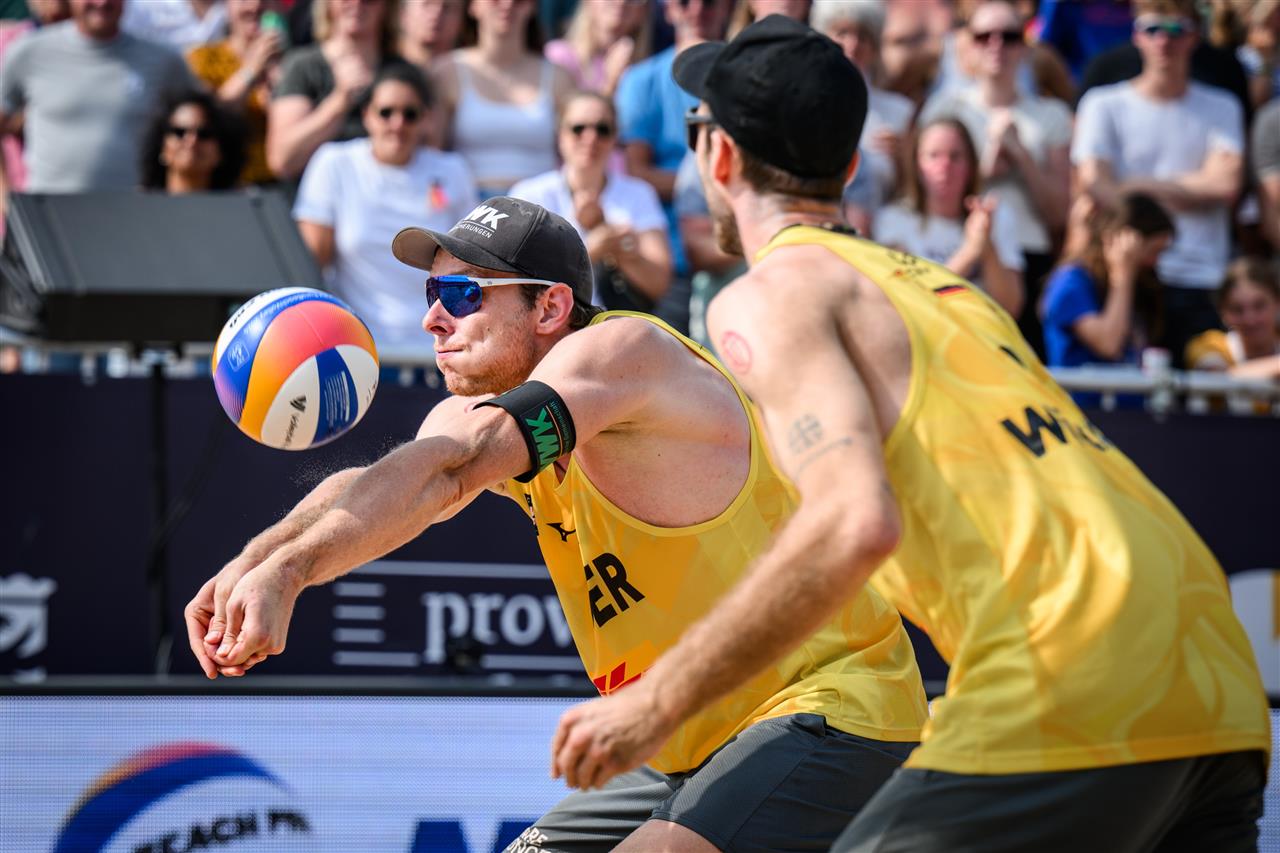
Germany, the most successful nation in the tournament`s history, will host the EuroBeachVolley for the fourth time, this year in a new city, Düsseldorf. The competition, taking place at the renowned Rochus Club, is expected to be one of the most fiercely contested in recent memory, with all leading European teams confirming their attendance.
A total of 32 men`s teams have been divided into eight pools, each comprising four teams. Under the modified pool play format, each team will compete twice. The eight teams that win their respective pools will secure direct qualification to the Round of 16, while the 16 teams finishing second and third will proceed to the Round of 24.
For the men`s tournament, pool play will occur from Wednesday to Thursday, coinciding with the Round of 24 matches. The Round of 16 is scheduled for Friday, quarterfinals for Saturday, and the semifinals and medal matches will conclude the event on Sunday.
Düsseldorf is set for an exhilarating week of top-tier beach volleyball. As the competition draws closer, we continue our preview of the eight pools for each gender, focusing now on Men`s Pools E, F, G, and H.
Pool E
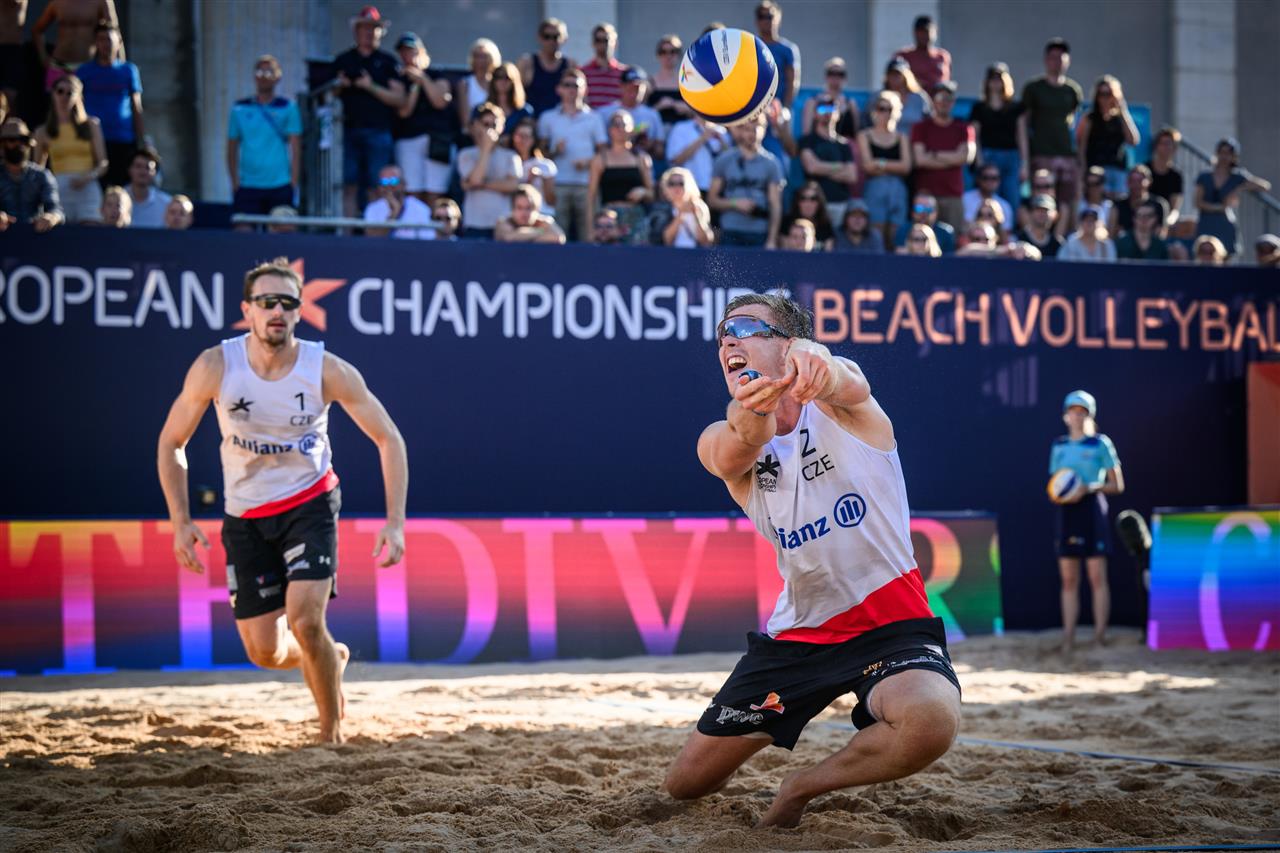
Teams: Ondřej Perušič/David Schweiner (Czechia), Christoph Dressler/Philipp Waller (Austria), Marco Krattiger/Leo Dillier (Switzerland), Momme Lorenz/Tilo Rietschel (Germany)
Czech world champions Perušič and Schweiner are the clear favorites to dominate Pool E and secure a direct spot in the Round of 16. Their strong performance this summer, including three medals from five Beach Pro Tour events, confirms their status among the global elite. Krattiger and Dillier, a new Swiss pairing for 2025, have also shown great promise early in their partnership, arriving in Düsseldorf with four medals from Beach Pro Tour Challenge and Futures events. Austria`s Dressler and Waller, another recently formed team, haven`t matched the Swiss in medal count but possess extensive experience at this level and could surprise in Germany. The young German duo, Lorenz and Rietschel (both 21), have demonstrated competitiveness at the Futures level and will use this opportunity to challenge more formidable opponents. Assuming no major upsets, the Czechs are expected to advance first, with the Swiss and Austrians likely filling the remaining elimination round berths. However, the relaxed play of a young home team should never be underestimated.
Pool F
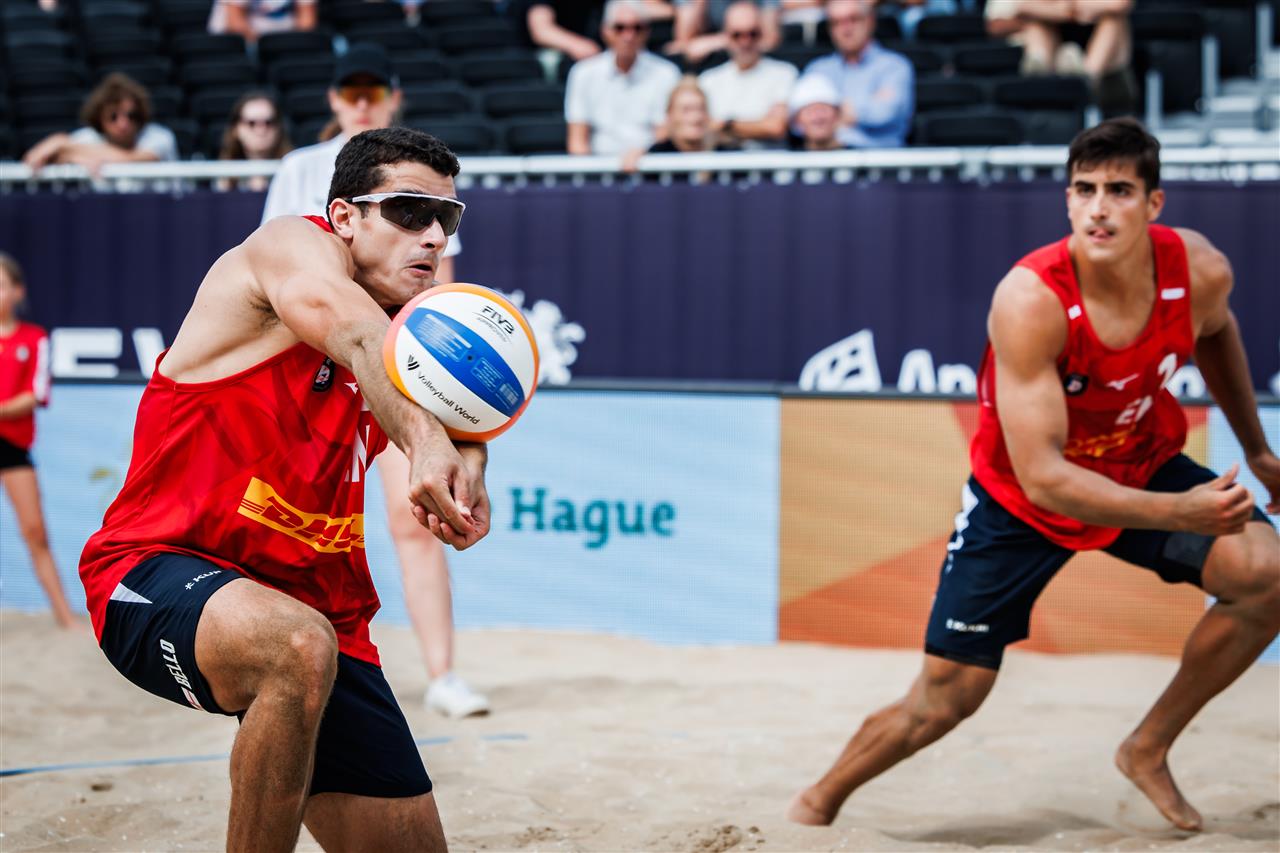
Teams: Javier Bello/Joaquin Bello (England), Stefan Boermans/Yorick de Groot (Netherlands), Yves Haussener/Julian Friedli (Switzerland), Clemens Wickler/Nils Ehlers (Germany)
Pool F in Düsseldorf is arguably the `Pool of Death`, with at least three of its four teams being strong medal contenders. While the Bello twins from England have had limited play in 2025, their exceptional 2024 season, highlighted by a gold at a Beach Pro Tour Elite event in Brazil, suggests they can regain top form anytime. Boermans and de Groot (Netherlands) are established continental powerhouses, with Boermans earning EuroBeachVolley silver in 2021 and de Groot repeating the feat in 2023. Similarly, Germany`s Ehlers and Wickler enjoyed their most successful year in 2024, securing silver at both the Paris Olympics and EuroBeachVolley, and will benefit from significant home crowd advantage. Switzerland`s Haussener and Friedli have achieved respectable international results over their two-year partnership but will need an outstanding performance to advance from this formidable group. The Swiss pair are the dark horses in a pool where any outcome is possible among the English, Dutch, and German teams. The opening match between Bello/Bello and Ehlers/Wickler could significantly influence the pool`s final standings.
Pool G
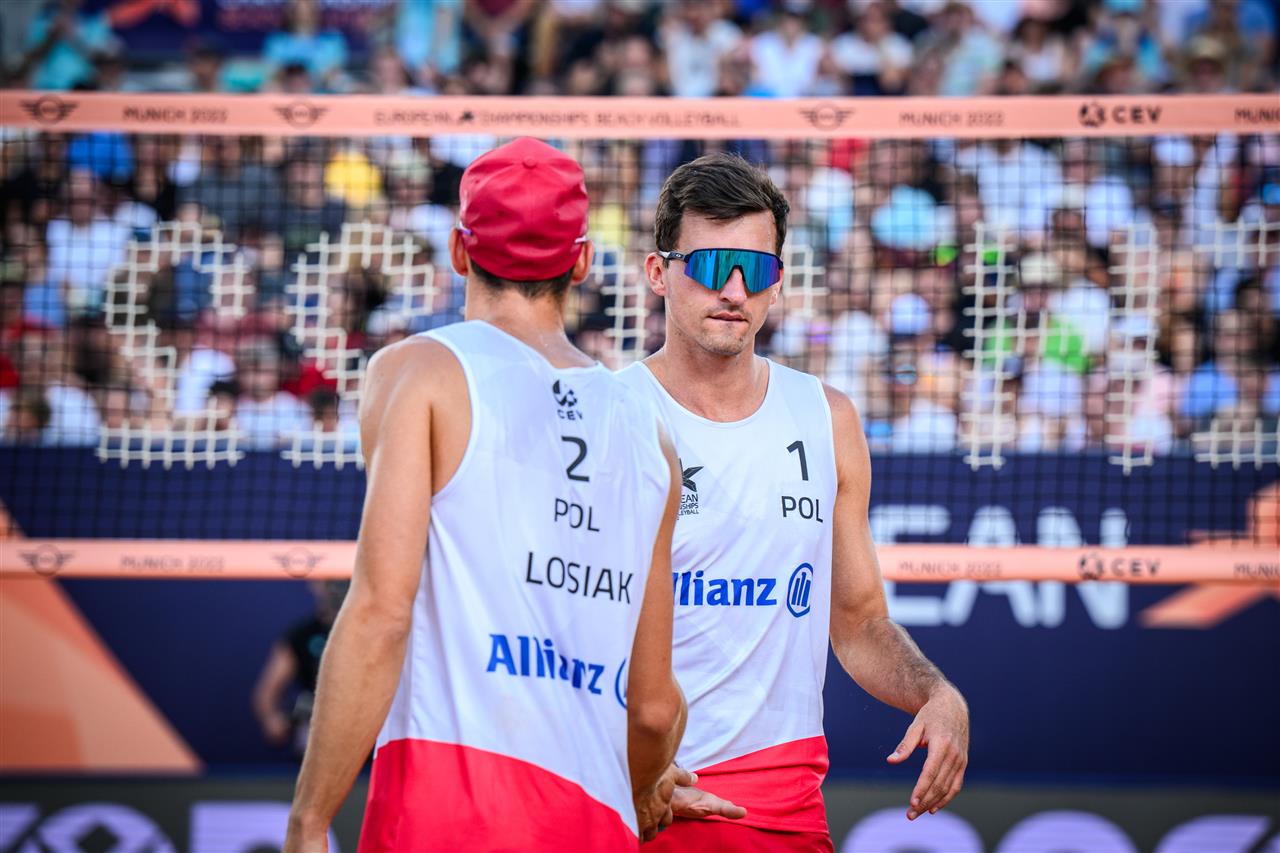
Teams: Michal Bryl/Bartosz Łosiak (Poland), Jacob Hölting Nilsson/Elmer Andersson (Sweden), Lukas Pfretzschner/Sven Winter (Germany), Eylon Elazar/Kevin Cuzmiciov (Israel)
Poland`s Bryl and Łosiak, as the most seasoned team in the pool, are strong contenders for the top spot. While they haven`t secured a gold medal in 2025 yet, their consistent international performance equips them to dominate pool play. However, both the Swedish and German teams present significant challenges. Sweden`s Hölting Nilsson and Andersson, current U22 European champions, are emerging on the international stage, having already claimed silver at the Gstaad Elite event this year. Germany`s Pfretzschner and Winter, despite a slight dip in form this season compared to their excellent 2024, are formidable competitors, especially on home turf. Israel`s Elazar and Cuzmiciov have elevated Israeli beach volleyball with multiple Beach Pro Tour Futures medals over the past two years, yet they remain a step below their pool rivals. It would be surprising if Bryl and Łosiak don`t finish first, though Hölting Nilsson/Andersson and Pfretzschner/Winter possess the capability to upset them on a strong day. Elazar and Cuzmiciov`s chances of progressing are slim, but they will be eager to seize any opportunity for an upset.
Pool H
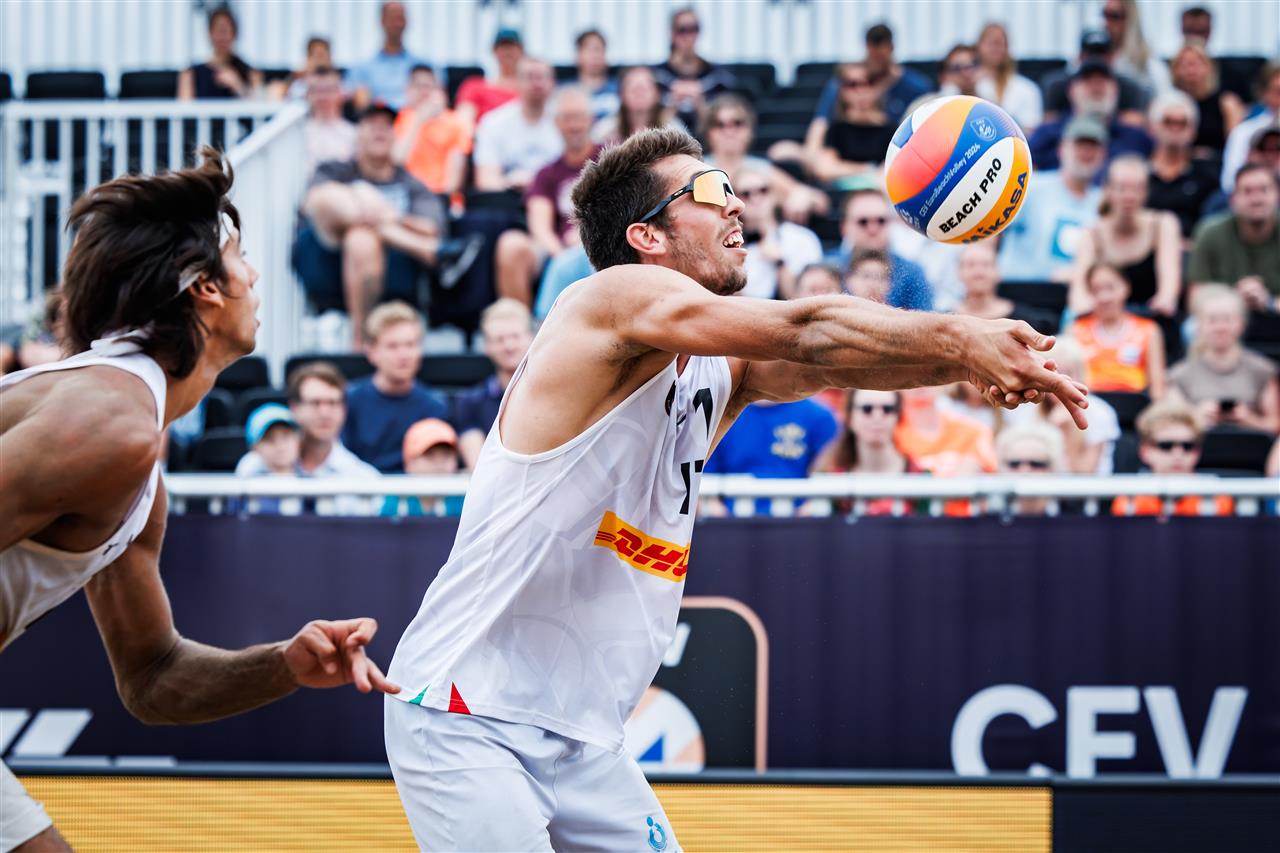
Teams: Paul Henning/Lui Wüst (Germany), Timo Hammarberg/Tim Berger (Austria), Gianluca Dal Corso/Marco Viscovich (Italy), Adrián Gavira/Alejandro Huerta (Spain)
Pool H stands out as potentially the most unpredictable group in the tournament, with any team capable of finishing from first to fourth without causing much surprise. Germany`s top-seeded duo, Henning and Wüst, will enjoy home crowd support and have achieved the most impressive Beach Pro Tour results, making them slight favorites to secure the top position. Austria`s Hammarberg and Berger, the 2022 U20 European champions, are a young team that has shown consistent international progress over the past two seasons. Italy`s Dal Corso and Viscovich are reuniting after previous success at the Futures level in 2023 and 2024, and are expected to fiercely contend for advancement. Spain`s Gavira brings extensive experience, which could be crucial; however, he and partner Huerta will need to quickly overcome Gavira`s extended period of inactivity in their debut tournament together to make an impact. The Spanish pair begins with a slight disadvantage due to their limited court time as a team, but an opening win could swiftly alter their trajectory. While the Germans appear best placed to lead the pool, the ambitious young Austrian and Italian teams are also strong contenders for the top spot.