
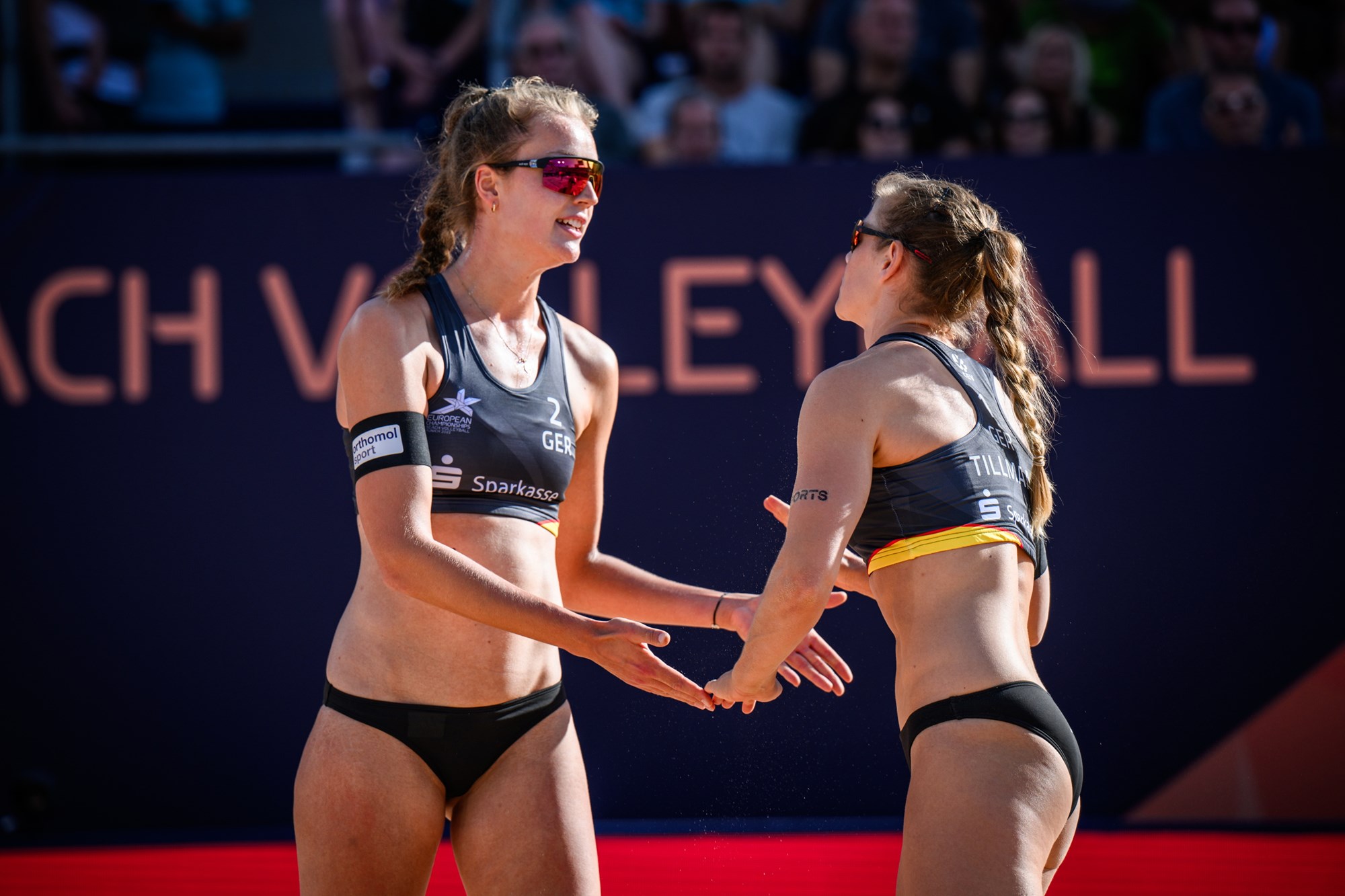
European beach volleyball`s annual highlight, the 33rd CEV EuroBeachVolley, is set to gather the continent`s top teams in Düsseldorf, Germany, from Wednesday to Sunday next week.
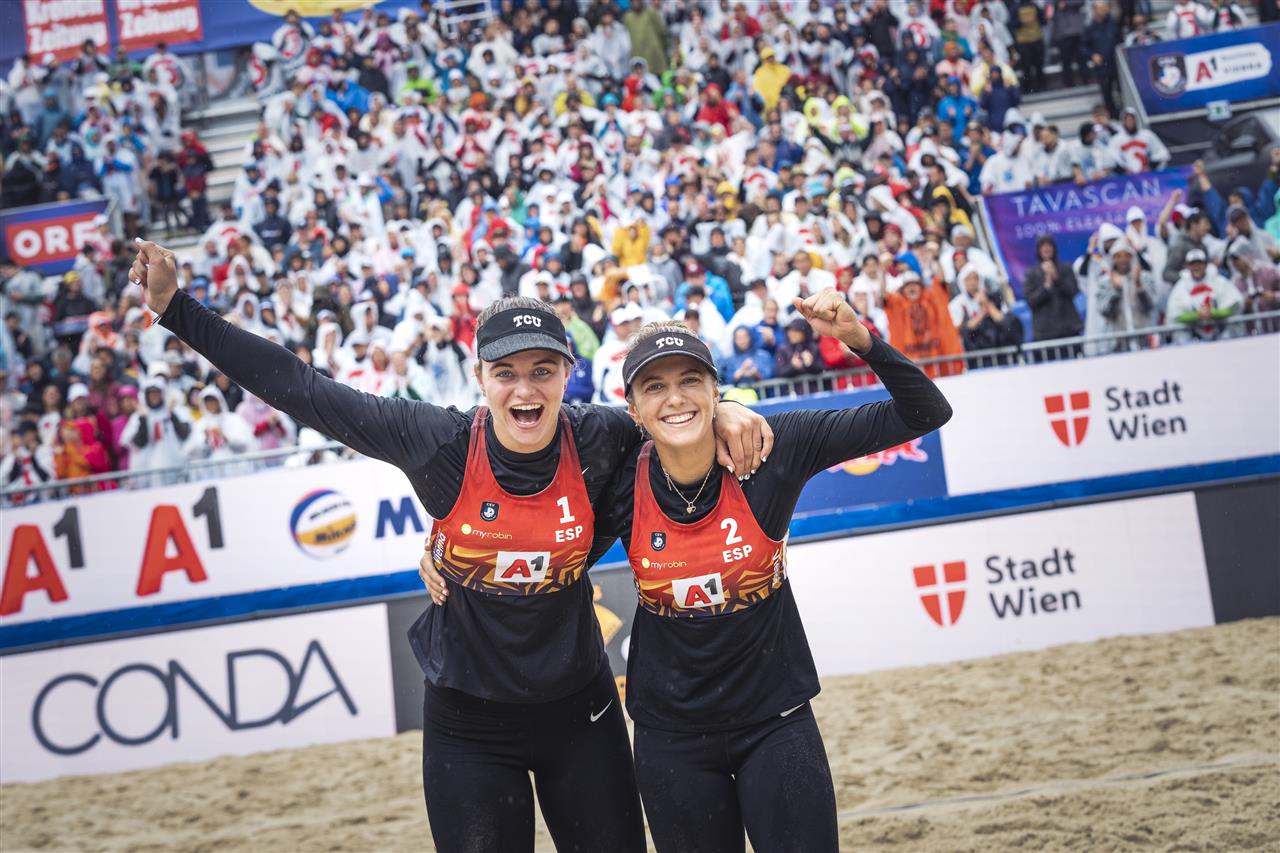
Marking its fourth visit to Germany and a new city within the tournament`s most successful host nation, the EuroBeachVolley at Düsseldorf`s Rochus Club promises to be the most competitive in recent memory, with all leading European teams confirmed to participate.
Thirty-two women`s teams are divided into eight pools of four, competing in a modified double-play system. Pool winners directly progress to the Round of 16, while second and third-placed teams will first play in the Round of 24.
Women`s pool play and Round of 24 matches are scheduled for Wednesday and Thursday. The Round of 16 and quarterfinals will be on Friday, semifinals on Saturday, and medal matches concluding the event on Sunday.
Düsseldorf is poised for an exhilarating week of top-tier beach volleyball. As the tournament approaches, we continue our detailed look at the women`s pools, focusing now on Pools E, F, G, and H.
Pool E
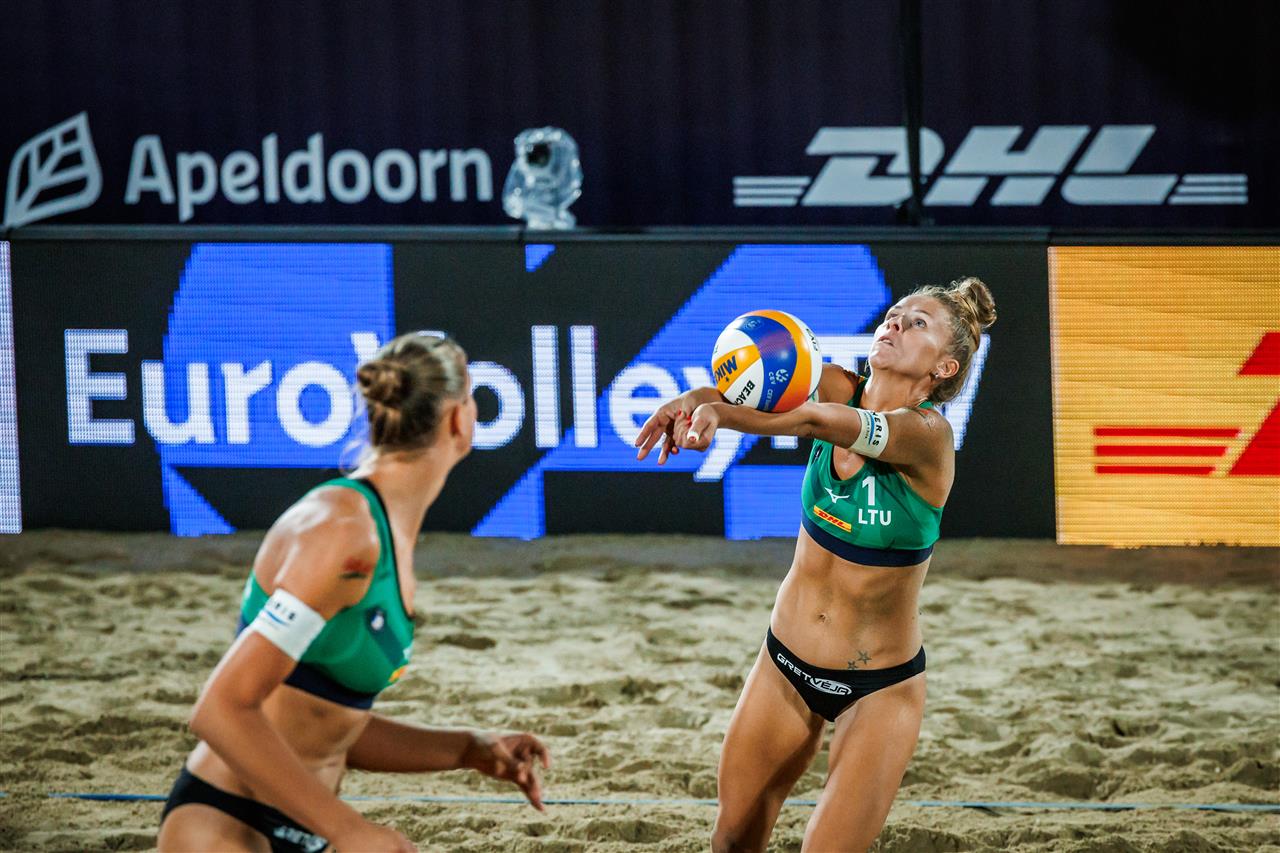
Teams: Clémence Vieira/Aline Chamereau (France), Monika Paulikiene/Aine Raupelyte (Lithuania), Linda Bock/Louisa Lippmann (Germany), and Katerina Pavelková/Anna Pavelková (Czechia).
Vieira/Chamereau (France) and Paulikiene/Raupelyte (Lithuania), both Paris Olympians, are the dominant teams in Pool E and are expected to contend for the top seed. The French pair, with their back-to-back Beach Pro Tour Challenge medals in 2025, currently have superior form and are well-positioned to directly qualify for the Round of 16.
Bock and Lippmann (Germany), a new team for 2025, have shown understandable inconsistency but demonstrated their potential with a second-place finish at the Stare Jablonki Challenge in June. The Pavelková twins (Czechia), current U22 European champions, represent the future of Czech beach volleyball but might find this level of competition challenging at present.
If the French pair maintains their excellent recent form, they are likely to top the pool. While the Lithuanians possess strong teamwork and a formidable blocker, the Germans could pose a significant threat if the Lithuanian duo isn`t at their peak performance.
Pool F
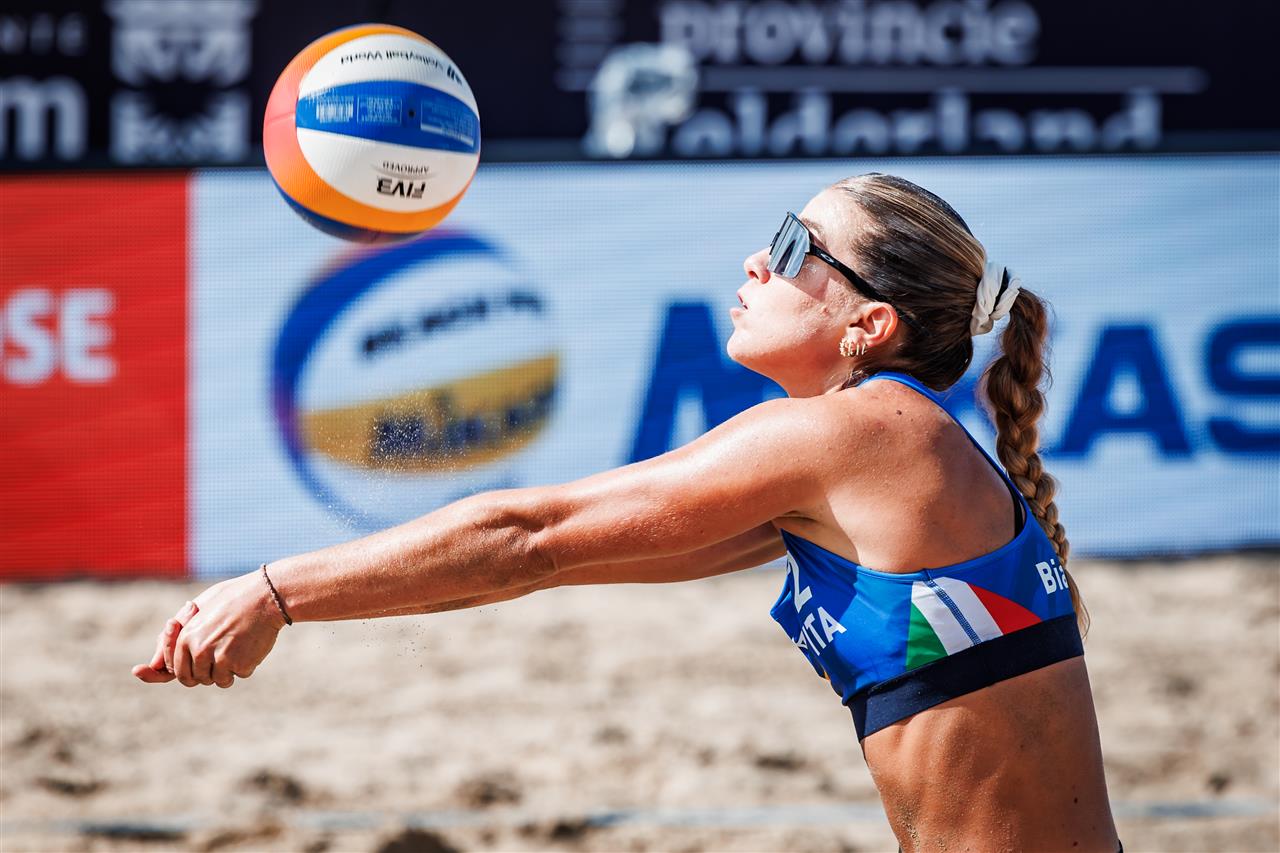
Teams: Claudia Scampoli/Giada Bianchi (Italy), Niina Ahtiainen/Taru Lahti (Finland), Daniela Álvarez/Tania Moreno (Spain), and Hanna-Marie Schieder/Karla Borger (Germany).
Pool F appears to be the most balanced of all eight groups in Düsseldorf, with no obvious frontrunner. While Álvarez and Moreno (Spain), 2023 EuroBeachVolley silver medalists and Paris 2024 Olympians, boast superior talent, their season has been hampered by injuries, preventing them from finding consistent form.
Scampoli and Bianchi (Italy) have shown promise despite their limited time together, entering the EuroBeachVolley with only four tournaments as a pair. Ahtiainen and Lahti (Finland) have consistently been Finland`s top international team, recently securing a Beach Pro Tour Challenge silver, but have experienced fluctuating results. Karla Borger (Germany), a two-time Olympian and highly experienced player, is part of a new team with Hanna-Marie Schieder that has yet to prove itself beyond Futures events.
Should the Spanish duo perform close to their potential, they are strong contenders to win this pool. The fight for the remaining two qualification spots will be intense, but the in-form Italians and the Germans, benefiting from home-court advantage, appear most likely to advance.
Pool G
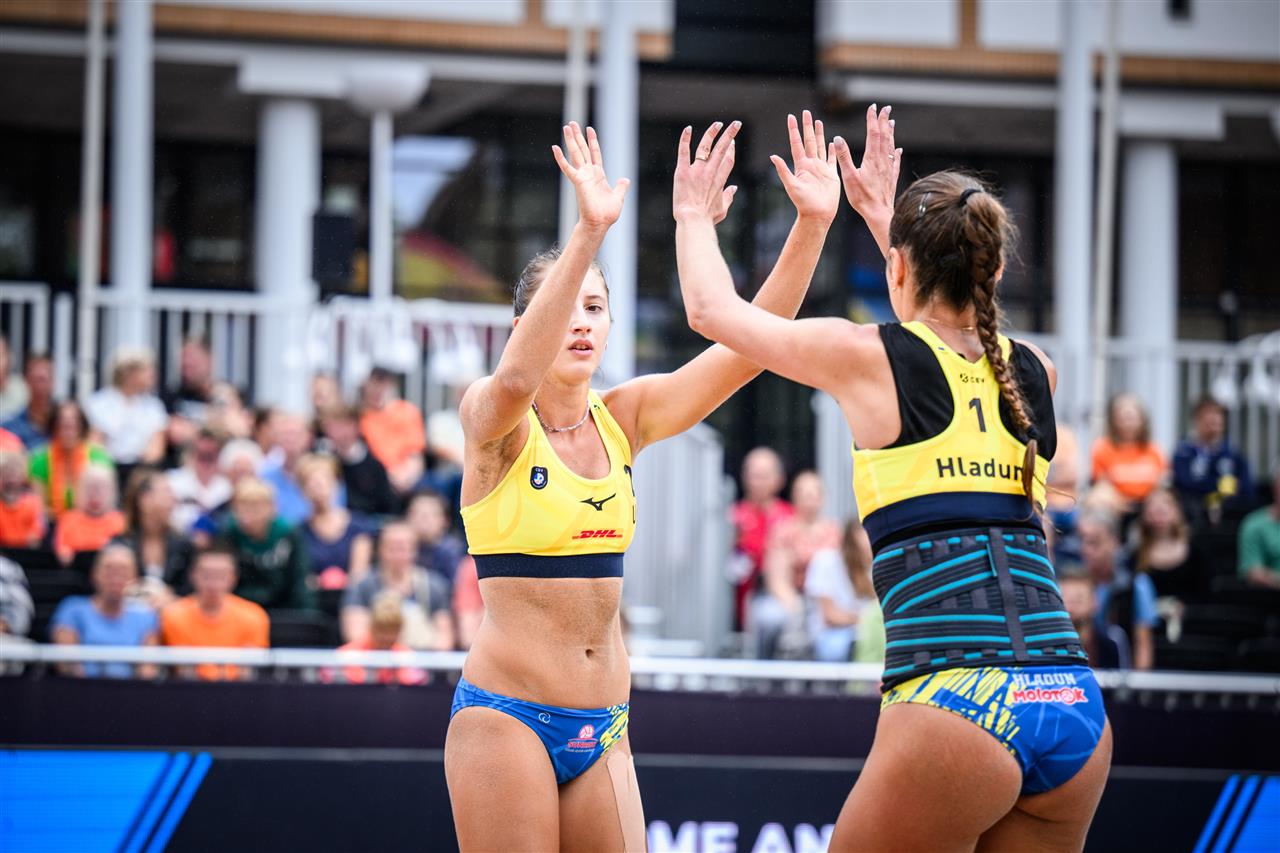
Teams: Maryna Hladun/Tetiana Lazarenko (Ukraine), Lézana Placette/Alexia Richard (France), Noa Sonneville/Brecht Piersma (Netherlands), and Janne Uhl/Paula Schürholz (Germany).
Since partnering last year, Hladun and Lazarenko (Ukraine) have secured five Beach Pro Tour medals, consistently improving. With two Challenge event golds in the past eight months, they arrive in Düsseldorf aiming to win their pool.
Paris Olympians Placette and Richard (France) are the most experienced team in the pool and are expected to advance easily, though their 2025 performance has been below par, marked by unexpected losses. This opens opportunities for Sonneville and Piersma (Netherlands), who nearly defeated them last month in Poland while still developing their team identity, and for the young German pair Uhl and Schürholz, who will enjoy strong home crowd support.
The Ukrainian duo is expected not only to win their pool but also to be serious contenders for a semifinal spot if they maintain their current form. While the French team is technically stronger than the Dutch and Germans, their recent lack of confidence makes them susceptible to an upset.
Pool H
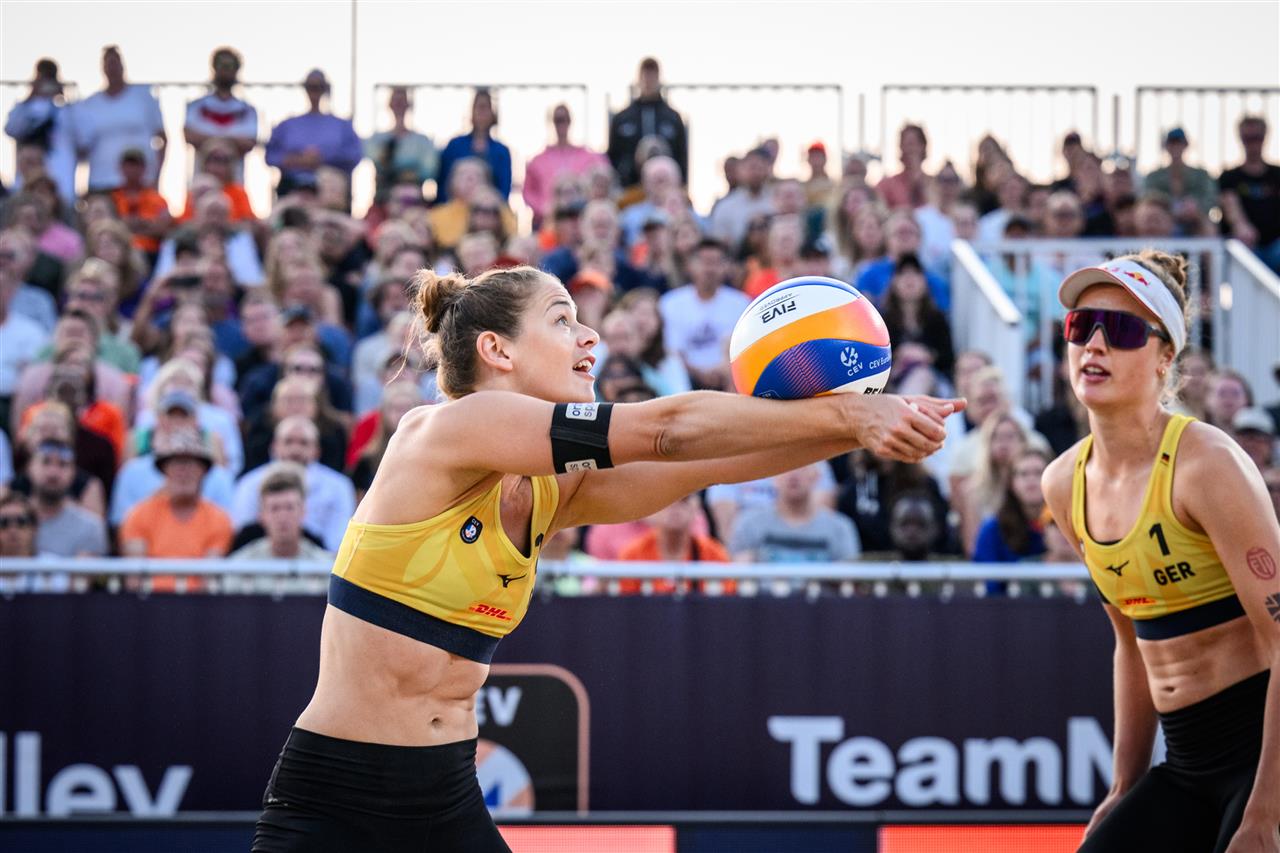
Teams: Svenja Müller/Cinja Tillmann (Germany), Małgorzata Ciezkowska/Urszula Lunio (Poland), Daniele Kvedaraite/Jekaterina Kovalskaja (Lithuania), and Maria Carro/Marta Carro (Spain).
Defending champions Müller and Tillmann (Germany) are poised to begin their title defense by winning Pool H, given their significant talent and experience advantage over their three opponents.
Ciezkowska and Lunio (Poland), the 2023 U20 European champions, enter with strong Beach Pro Tour performances and are well-positioned to reach the knockout stages. Kvedaraite and Kovalskaja (Lithuania) had a strong 2024 but have seen a dip in form this year, likely facing a tough contest against the Carro sisters (Spain), who are debuting as a team in Düsseldorf, for the final advancement spot.
Only a significant upset would prevent the Germans from securing the top spot in the pool. The Polish team is highly favored to finish second and should advance smoothly. The contest for third place promises excitement, with the Lithuanians` superior teamwork and experience contrasting with the Spanish sisters` higher individual skill level.