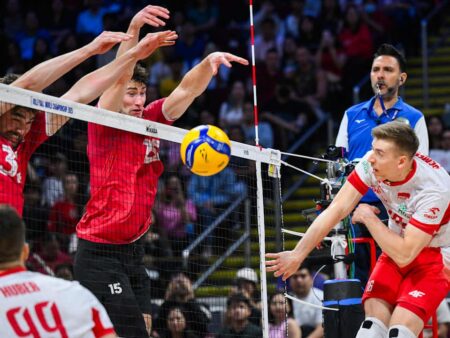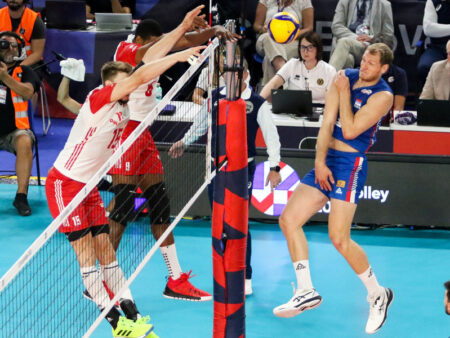

Jana Kulan, a former elite volleyball player who competed in ten different countries globally, has transitioned into coaching with a powerful mission: to inspire others to find joy in volleyball within an environment where fun is paramount. She is adapting to the inherent challenges of coaching, and despite some difficult moments, she finds this journey profoundly fulfilling and enriching.
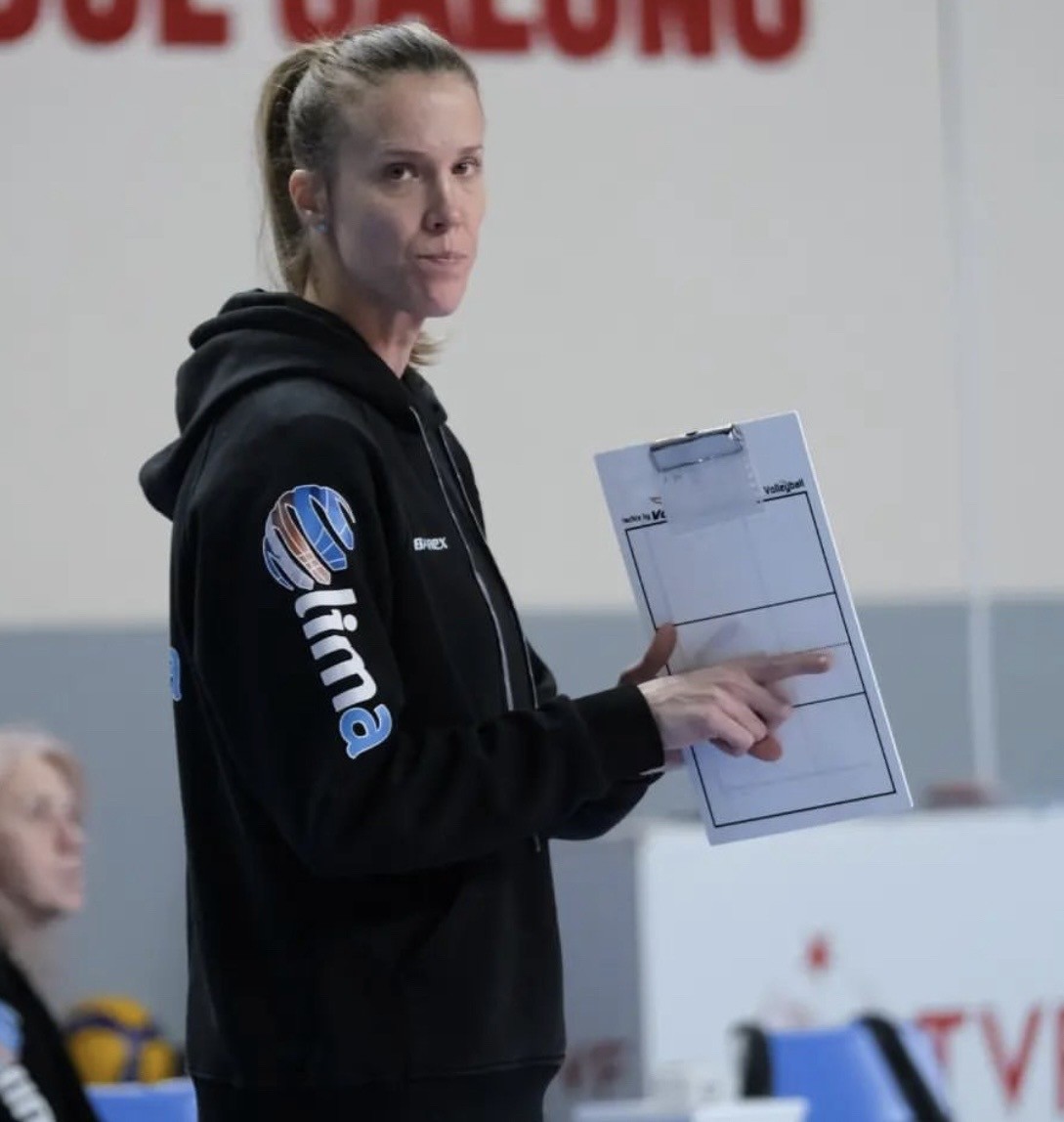
Earlier this year, Kulan, a former standout player for the national teams of her native Slovakia and adopted Azerbaijan, also joined the European Coaches Commission. Her entry into coaching was almost serendipitous. Facing a challenging period in her personal life, she discovered that volleyball offered the best path to regain stability, even if it meant no longer being solely an elite player.
“I was fortunate enough to attend a FIVB Coaching Course Level 1 in Estonia. John Kessel was the instructor there, and that experience truly transformed my life,” she recounts. “I am lucky to count him as both a friend and a mentor. His guidance and teachings helped me realize that volleyball could continue to be central to my life, albeit from a completely different viewpoint than before.”
The transition from an elite athlete to a coach is far from simple:
“You have to fundamentally alter your approach. As a player, you tend to feel that life revolves around you; many people cater to your needs. In contrast, as a coach, your primary role is to serve others,” Jana explains. “You should be the first to arrive at a session – players need to see you immediately when they enter the sports hall. You set the entire atmosphere. It`s an entirely different dynamic.”
Kulan also credits her husband significantly, who has been her steadfast partner since 2014. “We coach together and truly complement each other. He excels at challenging me – allowing me to focus on tactics and technique, while he adeptly handles people management, team building, and refining communication.” Jana understands that for a coach, innovative thinking is crucial. The same strategy doesn`t yield identical results everywhere, and there`s no single solution that fits all scenarios.
She recognizes that coaching young people can sometimes be demanding. “As a former elite athlete, you possess a fierce competitive spirit, an inner drive not always shared or even grasped by the players you mentor. I coached girls in Czechia for whom volleyball was more about socializing with friends than pursuing success and higher achievements. However, today’s youth also navigate a vastly different social landscape than we did. Social media often promotes perfection and ideal role models that many find unattainable. Furthermore, young people seem to struggle with handling failure. Yet, it is precisely by learning to overcome setbacks and growing stronger through them that sports – and volleyball specifically – can help us cultivate mature, responsible, and well-rounded individuals,” she states.
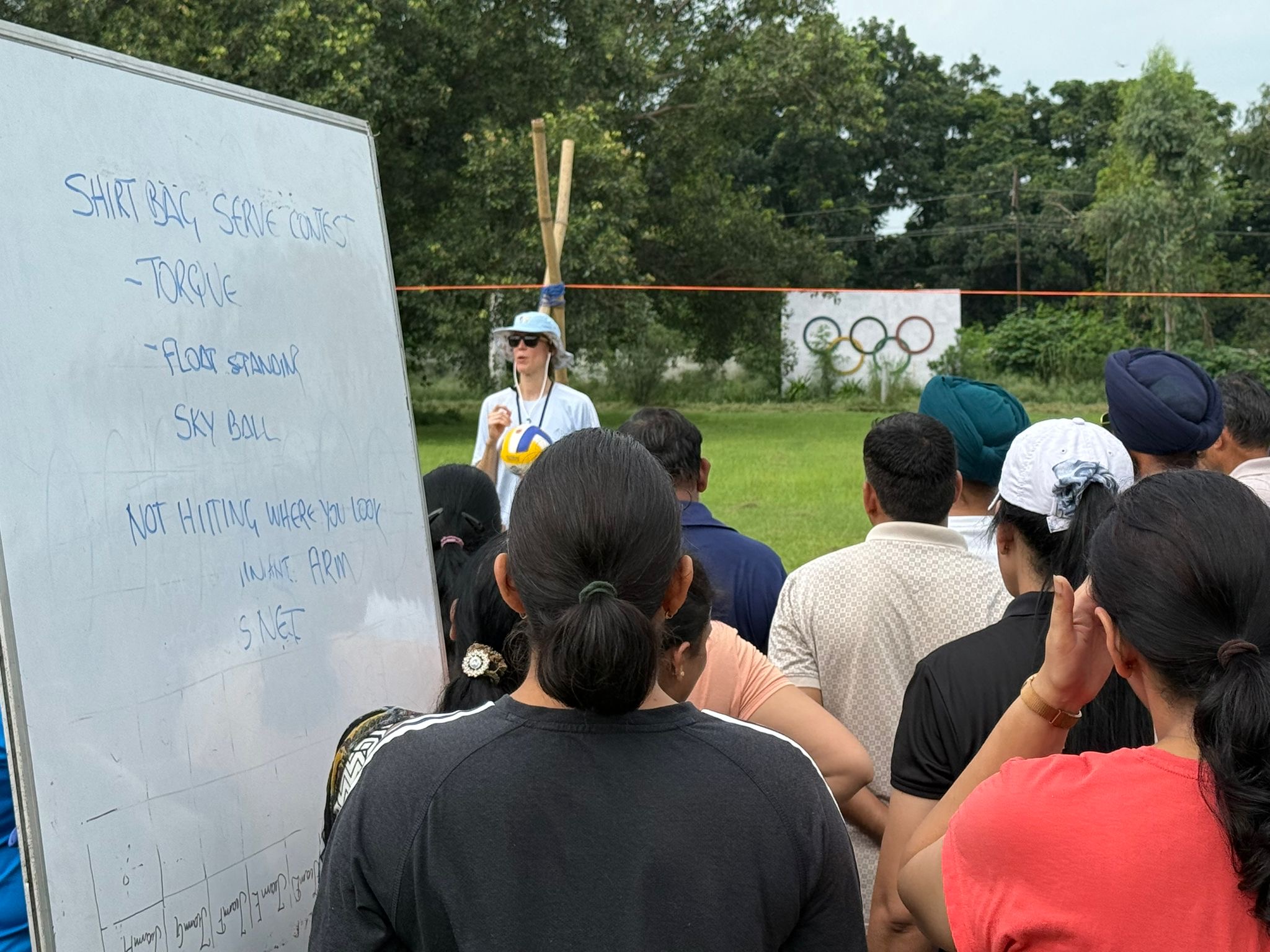
Having had her life transformed by John Kessel and guided into coaching, Jana is now dedicated to igniting that same passion in others. Most recently, during clinics in India, she witnessed the profound eagerness for knowledge among local PE teachers and coaches.
“Such experiences are incredibly fulfilling, especially given my strong desire to share my expertise and insights to the best of my ability. It was truly gratifying when individuals approached me, stating that for the first time in two decades, they had not only learned but also genuinely enjoyed playing volleyball.”
Volleyball faces stiff competition from other sports in attracting and retaining young people, but Jana identifies fun as the essential factor.
“Too often, coaches devote weeks or months to overhead passing and other technical skills, where ball control is challenging for beginners, and enjoyment is minimal. I believe we should reverse this strategy: let children begin with spiking – powerfully hitting the ball – so they can immediately experience the excitement and reward of the game from day one, rather than waiting until after they’ve mastered less engaging fundamentals. The more enjoyable it is, the more likely they are to return and stay committed to the sport,” she emphasizes. “Furthermore, volleyball truly is a sport for everyone, irrespective of technical prowess or physical attributes. People in India inquired how they could excel at the game given their relatively short stature. I encouraged them to look at Japan – whose players are quite short compared to those from other nations, yet they consistently rank among the world’s top five teams. We should always seek solutions instead of making excuses. I also see vast potential for engagement with Sitting Volleyball. I learned that in the Netherlands, approximately 4,000 individuals play this sport, with 3,500 of them having no disability. This clearly demonstrates that volleyball is genuinely a sport for all – not exclusively for the tall or the physically imposing!”
As a female coach, Jana has also navigated unique challenges.
“Intriguingly, while coaching in Türkiye, I sensed that the male coach on the opposing side viewed me as an additional source of motivation – almost as if it were a personal battle between us, rather than just our teams, with an underlying sentiment of ‘I cannot lose to a team coached by a woman!’ The presence of a female coach is still quite rare, which is why I commend the FIVB’s decision to mandate at least one female member on a team’s coaching staff. Increased visibility for women will empower others to realize their own potential. We need inspirational figures, trailblazers who illuminate the path for others to follow. Once a truly equitable environment is established, quotas will hopefully become unnecessary, and coaches – regardless of gender – will be evaluated purely on their merits,” she adds.
Jana exudes the essence of someone who has skillfully balanced self-assurance with humility, all while maintaining a readiness to challenge herself. She draws numerous valuable insights from the diverse countries where she has played and coached, acknowledging that successful models are not always easily transferable.
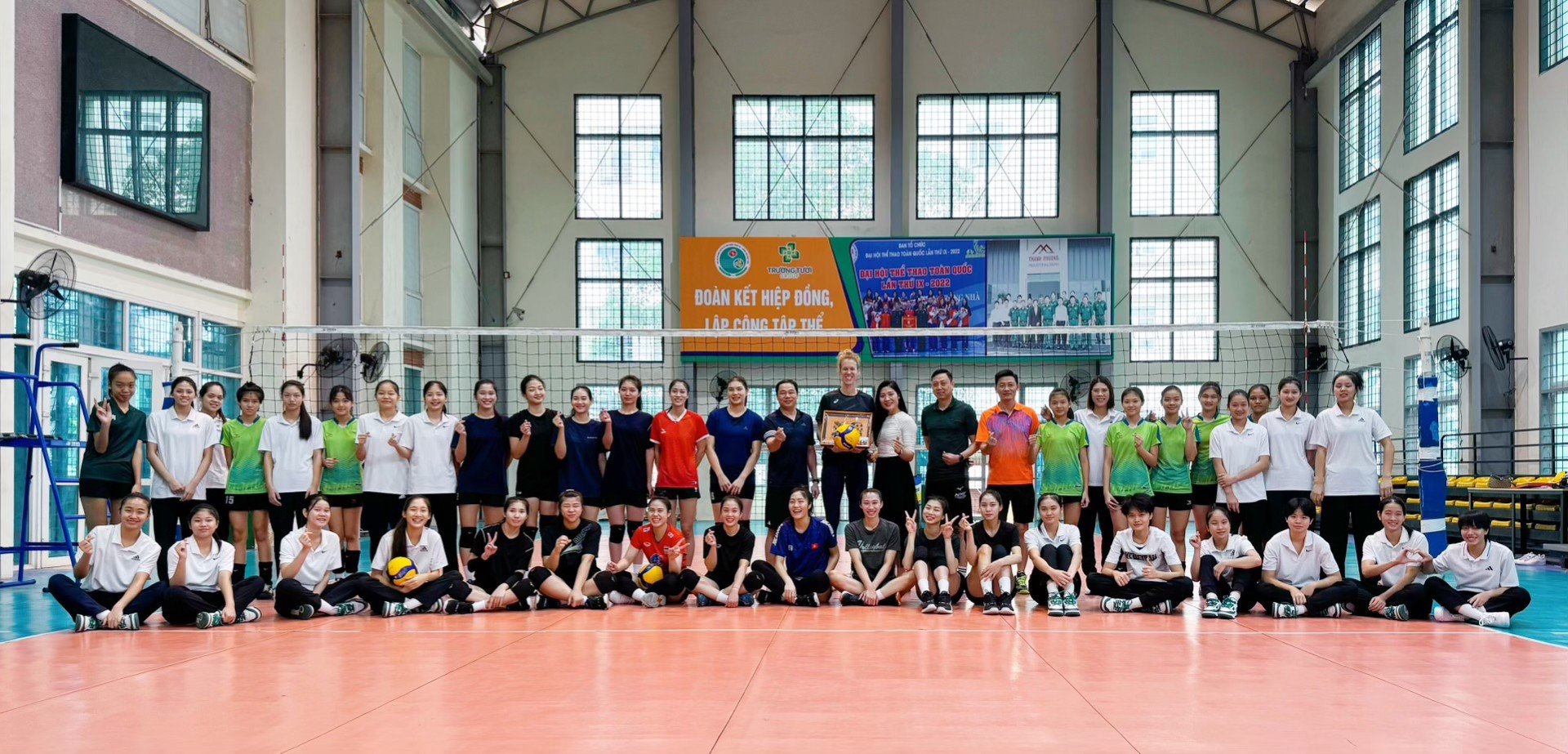
“Japan was a remarkable experience for me; everything is exceptionally well-organized there, and players are incredibly disciplined and respectful. In Vietnam, where I simultaneously served as both a coach and a player, I somehow rediscovered the sheer joy that volleyball can offer. All these experiences have profoundly shaped me, making me the person I am today,” she shares.
To conclude, Kulan encapsulates her philosophy with some insightful and powerful remarks:
“I believe that while we cannot control everything, we possess significant influence over many aspects. Authentic leadership, particularly in coaching, isn’t about constantly having all the answers or monopolizing conversations. It’s about understanding when to step back, fostering an environment where others can voice their thoughts and take action, and remaining receptive to diverse viewpoints. By challenging yourself, practicing deep listening, and surrounding yourself with individuals who contribute to your growth, you evolve not just as a person, but as a more effective coach. Even though competitive sport largely revolves around success, there remains ample room for everyone to feel accepted and belong.”
Her renewed journey in volleyball has truly just commenced.