
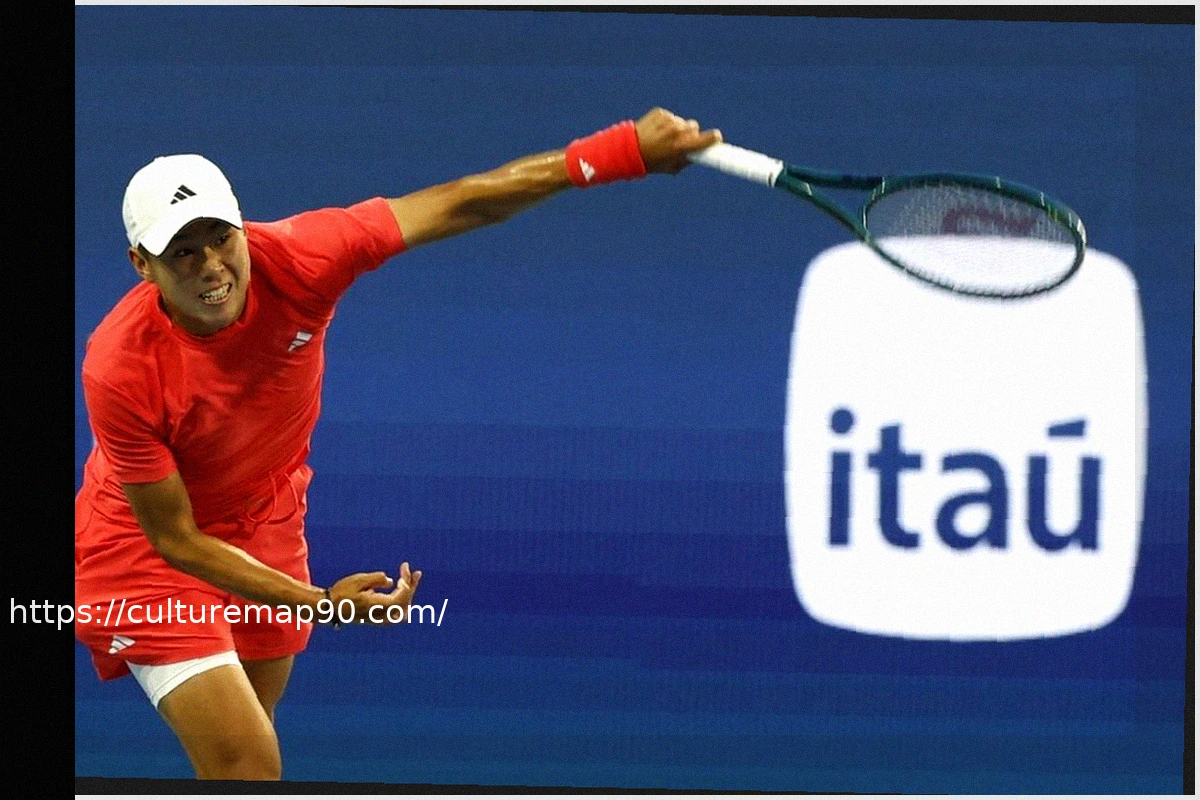
For seven years, the Miami Open, one of professional tennis’s most prestigious Masters 1000 tournaments, has consistently failed to address its persistent rain problem. A recent complete washout, canceling all 37 scheduled matches and leaving international fans stranded, highlighted a systemic failure rather than an unexpected “disruption.” Despite significant investment, the event cannot guarantee play when South Florida’s March weather predictably turns wet.
The Stadium Compromise: A Temporary Solution
The root of the issue traces back to the tournament’s forced relocation from Key Biscayne. Legal restrictions on expanding the Crandon Park facility led organizers to sign a 30-year agreement with Hard Rock Stadium. While Dolphins owner Stephen Ross invested over $500 million into renovating Hard Rock, including a retractable canopy, this cover extends only over the seating bowl, not the playing field where the tennis court is temporarily erected each year.
Players like Alexander Zverev and Casper Ruud have openly criticized the makeshift setup, describing it as “playing in a parking lot” or “cheap.” The temporary nature of the court, built annually on a repurposed car park, stands in stark contrast to the tournament’s elite status.
A Priority Problem, Not a Resource Problem
While retrofitting a permanent roof onto a multi-use NFL stadium presents genuine architectural and contractual challenges—and amortizing such an investment for a three-week annual event is complex—these constraints have been known since 2019. Despite seven years and hundreds of millions in venue investment, the tournament’s response has been an annual cycle of delays, apologies, and scheduling chaos. World No. 2 Iga Swiatek has even stated it impacts players’ ability to prepare, escalating the problem from an inconvenience to a matter of competitive integrity.
This lack of foresight is particularly glaring given that all four North American ATP Masters 1000 events lack covered courts, despite their significant resources. This suggests not a resource deficit, but a “priority problem.”
The Path Forward: A Purpose-Built Future
The most viable long-term solution likely involves relocating the Miami Open to a purpose-built facility, even if such a project is a decade away. Given the 30-year deal extending to 2049, discussions need to commence immediately. In the short term, a minimum acceptable response would be a covered show court—a permanent or semi-permanent structure capable of hosting significant matches during rain delays. Other major venues manage this; Miami, with its financial capacity and ambition, has simply not prioritized it.
Fans traveling globally to attend are not victims of unpredictable weather but of repeated decisions over seven years to neglect crucial infrastructure. South Florida’s rain will continue each March, making continued claims of surprise untenable for those in a position to act.