
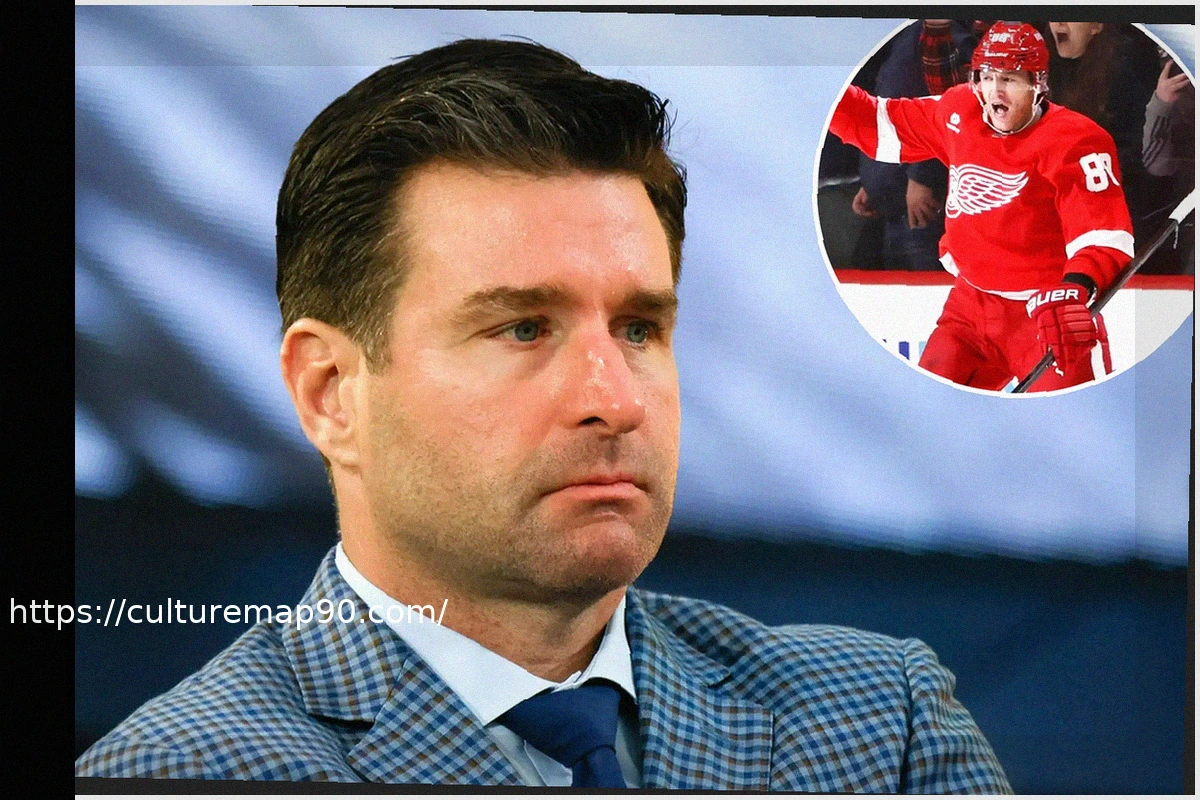
Following a season that once again ended with postseason disappointment, all eyes are on Chris Drury, the General Manager of the New York Rangers. The upcoming offseason presents a significant crossroads for the franchise, and the strategic direction Drury chooses will undoubtedly shape the team’s trajectory for years to come. The central question revolves around whether the current core needs a drastic overhaul, subtle adjustments, or simply more time to mature and succeed.
The Crossroads: A Defining Moment for the Rangers
The Rangers boast a roster brimming with talent, including star goaltender Igor Shesterkin, a strong defensive corps, and a mix of veteran forwards and promising young offensive players. Yet, consistent playoff success has eluded them, raising questions about team composition, depth, and overall strategic fit. Drury must weigh several factors:
- Salary Cap Constraints: Managing a tight cap while seeking to improve the roster.
- Player Development: Integrating key prospects and assessing their readiness for NHL roles.
- Veteran Core: Deciding whether to maintain faith in established players or make bold moves to alter the team’s identity.
- Contract Extensions: Addressing crucial upcoming contract negotiations for key personnel.
Potential Paths Drury Might Take
Drury has several distinct avenues he could pursue, each with its own set of risks and potential rewards:
1. The Aggressive Re-tooling
This path involves making significant, perhaps even surprising, trades to bring in new blood or a different type of player. It could mean parting with valuable assets – be they draft picks, promising prospects, or even current roster mainstays – in pursuit of a perceived missing piece or a more complementary skill set. Such a move signals a belief that the current foundation, while strong, requires a substantial shake-up to achieve championship aspirations.
2. Strategic Refinement and Internal Growth
Alternatively, Drury could opt for a more nuanced approach. This would involve surgical strikes in free agency to fill specific gaps, re-signing crucial unrestricted and restricted free agents, and placing a greater emphasis on the organic development and integration of the team’s highly-touted prospects. This path demonstrates confidence in the existing core’s ability to evolve and mature, with external additions serving merely as supplementary pieces.
3. Standing Pat with Minor Adjustments
The least disruptive path would be to make minimal changes, trusting that another year of experience and minor tactical tweaks will be enough to push the team over the hump. This approach carries the risk of repeating past failures if underlying issues are not addressed, but it also preserves organizational stability and asset capital.
The Stakes Are High
The choice Drury makes will reverberate throughout the Rangers organization. Fans and analysts alike will be scrutinizing every move, understanding that the coming weeks and months represent a pivotal chapter in the storied history of the New York Rangers. Whether he leans towards bold action, subtle strategy, or steadfast patience, the path taken at this offseason crossroads will define the team’s competitive outlook for the foreseeable future.