


Article published on January 22, 2023
While indoor and beach volleyball coaching roles differ significantly, both are crucial for a team`s success. To offer fans a deeper understanding of what it takes to be a top coach, this `Secrets of Coaching Success` series features insights from some of Europe`s most accomplished coaches across both disciplines, directly sharing their expertise.
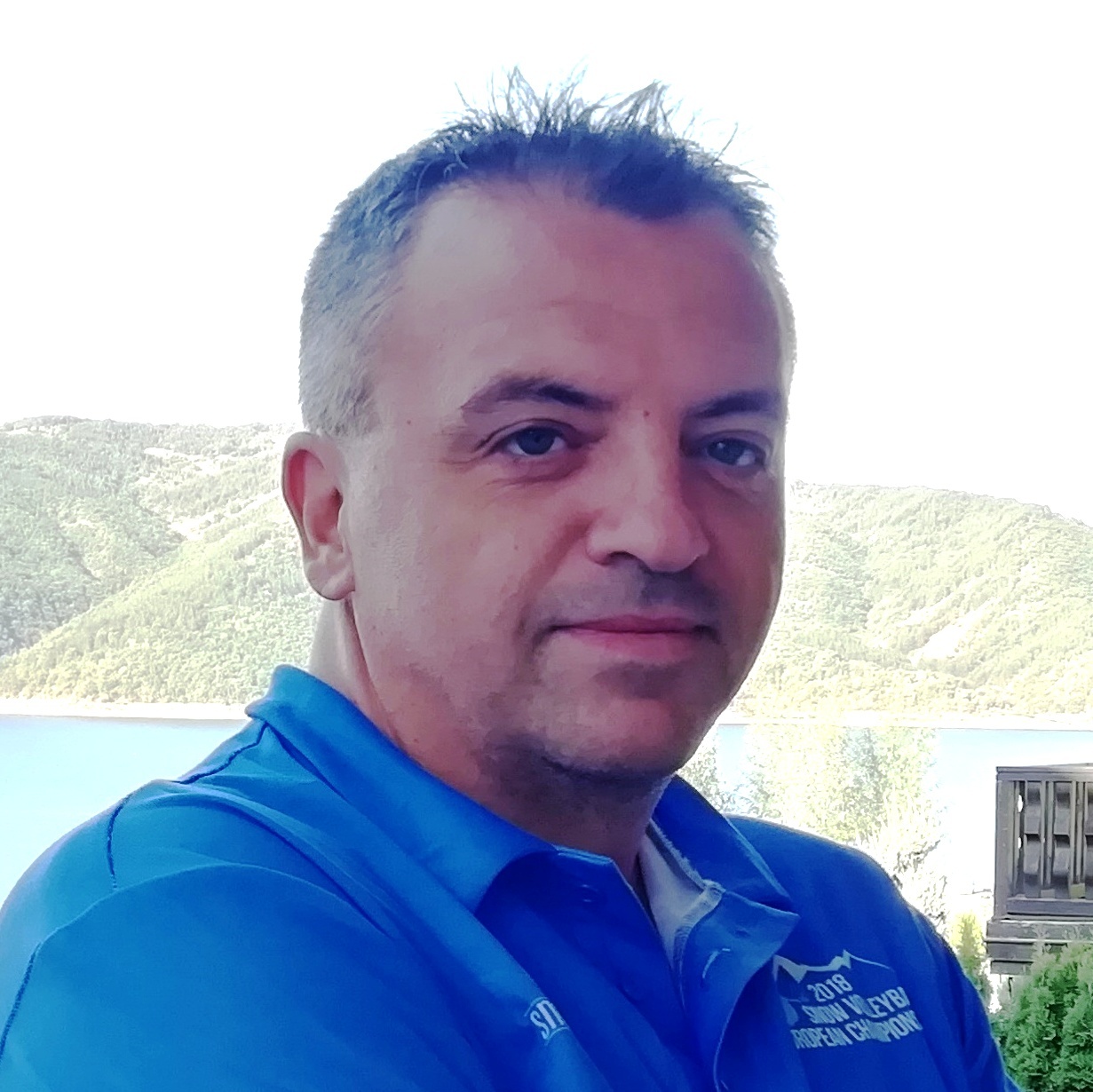
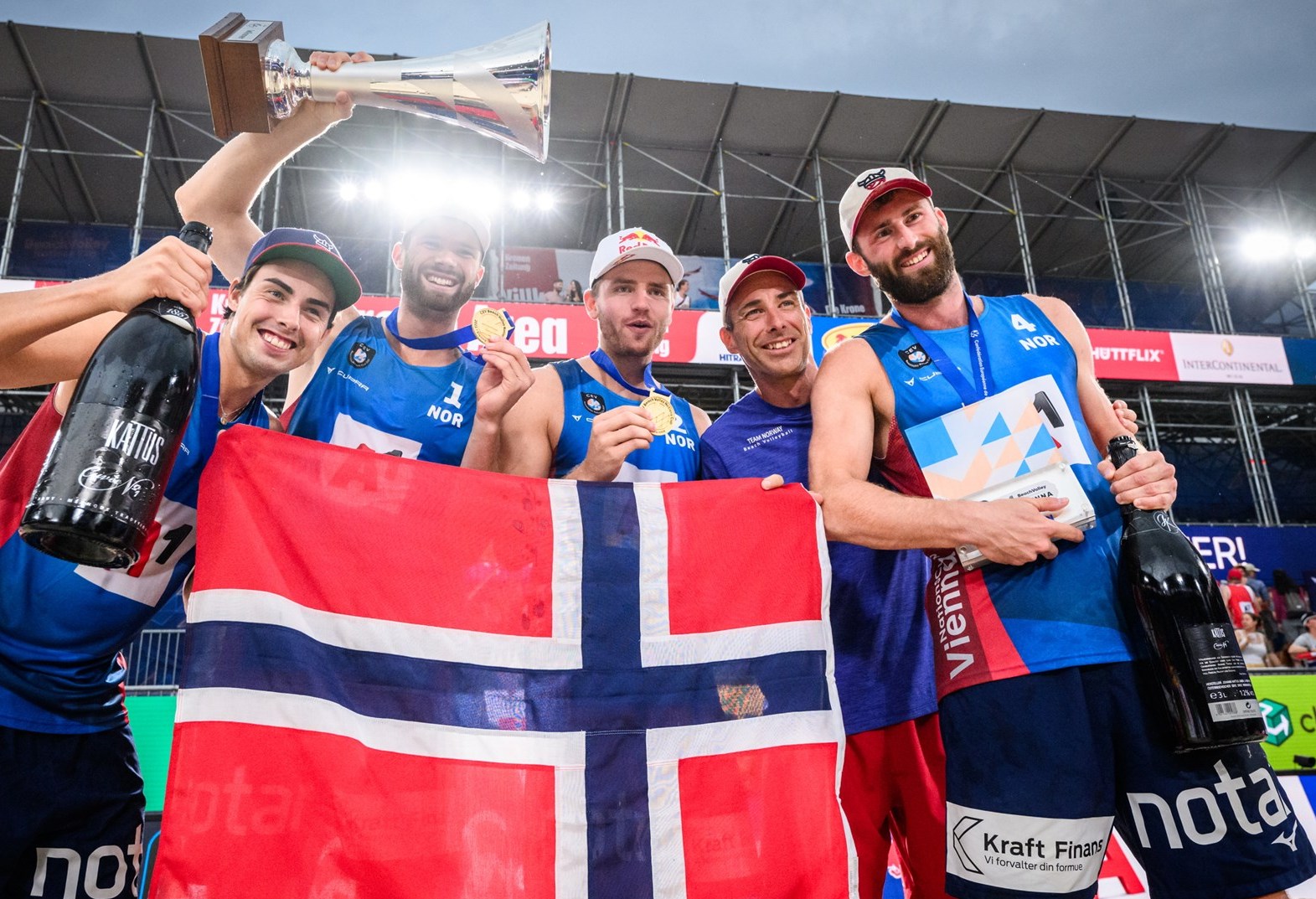
This seventh installment highlights Norway`s Jetmund Berntsen, one of the world`s leading beach volleyball coaches. He guides the `Beachvolley Vikings,` including the reigning Olympic, World, and four-time European champions, Anders Mol and Christian Sorum. In the past year, Berntsen also led the Norwegian men`s national team to victory at the CEV Beachvolley Nations Cup in Vienna. Below is his complete interview.
What prompted you to become a beach volleyball coach?
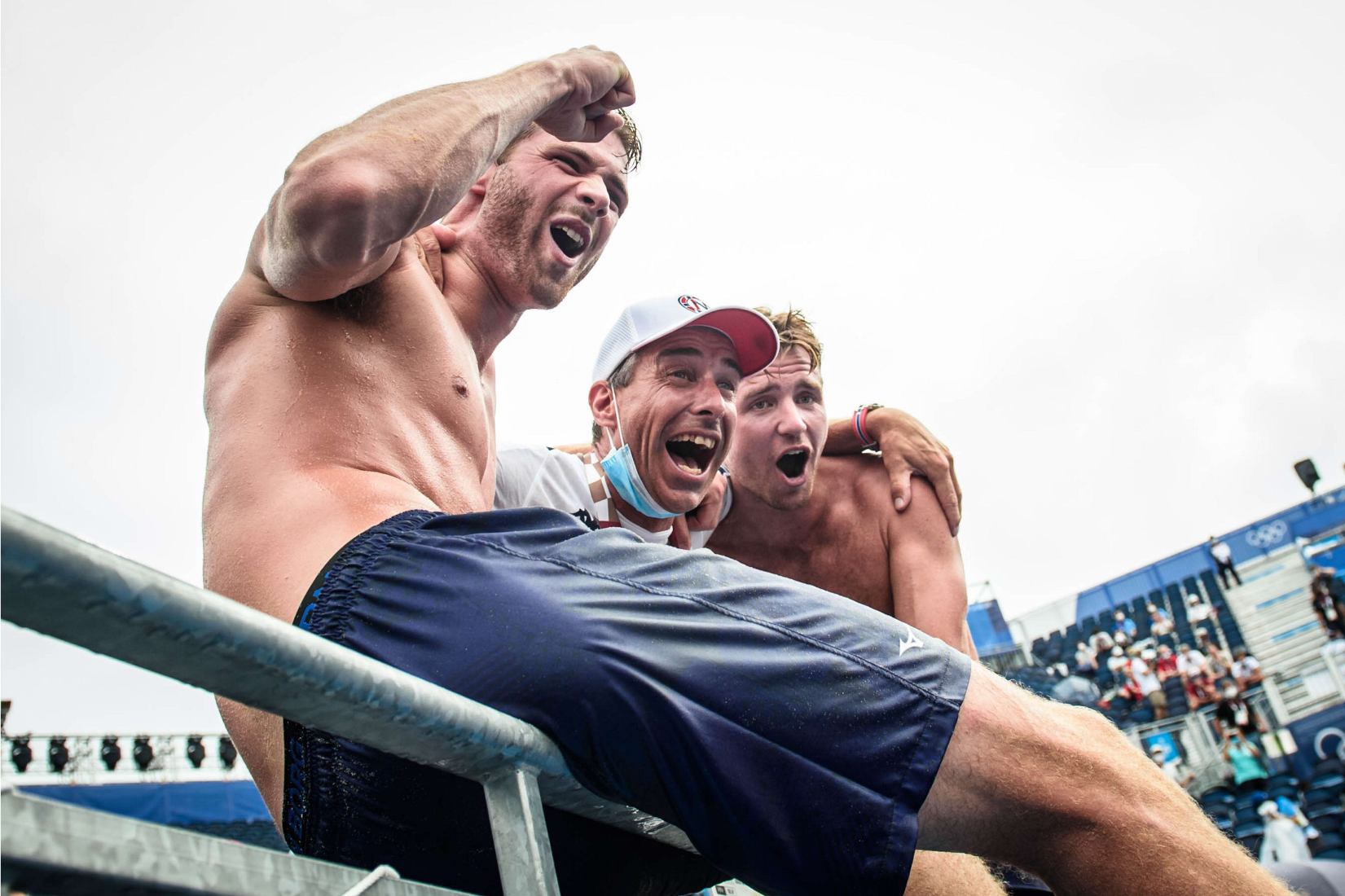
“I grew up immersed in sports, with ball games always being my favorite. We played football in summer, volleyball in winter, and many other sports in between. In my small hometown of Naustdal, until 1993, there was a formidable women`s team, Tambarskjelvar, which included my sister Merita and other national players. Nearby Forde boasted a top men`s team with professional athletes. This environment exposed me to high-level volleyball from a very young age, starting organized play at seven. In 1990, I began playing beach volleyball during the summers. Later, I joined the national indoor team alongside Jan Kvalheim, Norway`s first World Tour winner in 1994. My sister`s relationship with my national team coach and beach volleyball partner, Kåre Mol, further deepened my connection to the sport. They embarked on their path to the Atlanta 1996 Olympics, and Kåre became a significant coaching inspiration for me. Since then, both indoor and beach volleyball have been central to my life.”
“Volleyball, in both its indoor and beach forms, has consistently defined my lifestyle. From the outset, my aspiration was to dedicate my professional life to volleyball, not necessarily as a player, but through coaching across all age groups – from children to seniors. Even while playing at Norway`s highest level, I always coached younger teams. My passion for working with youth led me to spend five years at Toppvolley Norge, a school I highly recommend to any coach globally. Its unique culture, wealth of knowledge, vibrant atmosphere, and dedicated people are truly energizing.”
Tell us the fairy-tale story of the Beachvolley Vikings.
“Kåre Mol and I became parents around the same time, which meant we spent a lot of time together. This allowed me to closely observe his coaching, engage in insightful discussions, and experiment with new ideas early in my own coaching journey. I attended the Stavanger World Tour annually from 1999 to 2014. I vividly recall Anders Mol, at just 12 years old during the 2009 World Championship in Stavanger, boldly declaring, `I will be the youngest player ever to compete in a World Tour Grand Slam.` Five years later, in 2014, Anders and Mathias Berntsen, aged 16 and 18 respectively, indeed made history by qualifying for the main draw in Stavanger as the youngest team ever to play in a Grand Slam. That same year, they also qualified for the Youth Olympics in Nanjing, followed by a victory at the 2015 U20 European Championship in Larnaca.”
“Our journey was officially underway. We had assembled a remarkable group of talented young athletes, supported by experienced and knowledgeable coaches. With the senior national team having missed out on the 2016 Olympics, and our promising young players completing their studies at ToppVolley Norge – widely regarded as the world`s premier volleyball school – we felt compelled to offer them the optimal development program. Thus, the `Beachvolley Vikings` initiative was born. We recognized the extraordinary potential within this group. Initially, we had three core players: Anders Mol, Mathias Berntsen, and Christian Sorum. Our fourth player, Hendrik, was still finishing school and his indoor season in Hawaii. Our ultimate objective was clear: qualification for the Tokyo 2020 Olympics.”
“During 2016 and 2017, we experimented with various player combinations to identify the strongest pairing. This proved challenging due to the consistently high performance of all our athletes. We secured medals at youth championships and qualified for elite World Tour events with different team configurations, making the selection of a permanent future team difficult. Ultimately, Anders and Christian emerged as the clear choice. Their exceptional chemistry and shared understanding of the game were undeniable. Looking back, their achievements are astounding, and they`ve truly elevated the sport of beach volleyball.”
“Achieving widespread victories from 2018 to 2022 has been incredible, but my fondest memory remains our first World Tour triumph at the Gstaad five-star in 2018. It was extraordinary for a small Norwegian team, comprising just two players and myself as coach, to conquer the global elite. I distinctly remember, after securing match point in the final, I was so overcome that I spontaneously kissed Nika Fleiss, who was seated beside me – it was truly an `out-of-body experience`! And I can`t forget the semifinal of that same tournament: Christian`s phenomenal defense on Gibb & Crabb`s match point! Even their coach, Rich Lambourne, was convinced they had won. That entire tournament was intensely emotional and instilled in us the belief that we could achieve anything!”
What was it like coaching a team to heights such as Olympic, world and European titles? Has this coaching success brought you significant recognition in Norway? While Anders and Christian are undoubtedly celebrities, do you share a similar public profile?
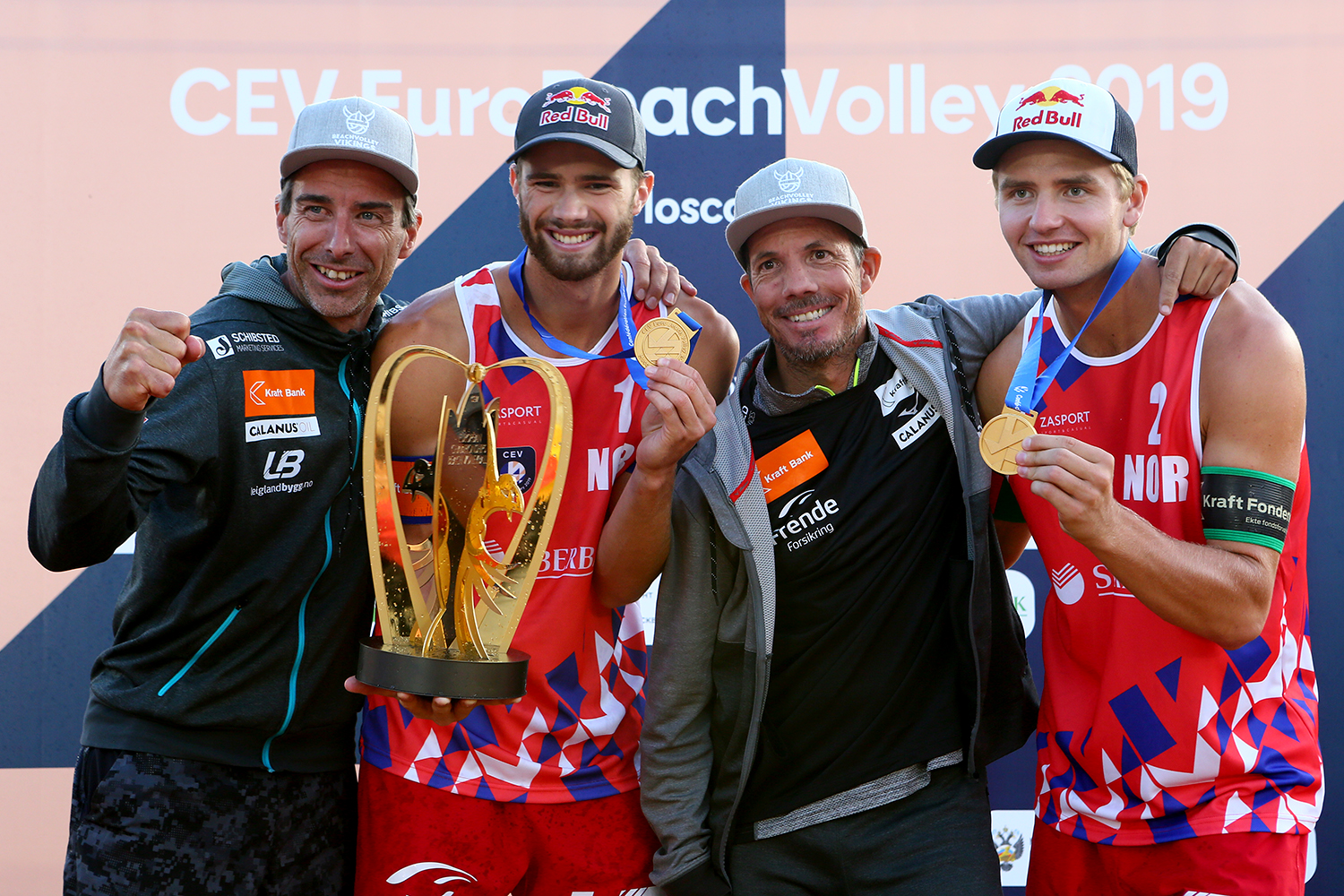
“Being part of a team that consistently performs at such a high level and clinches major titles is always a fantastic experience. The past four years have been an incredible journey for everyone involved with the Vikings and our staff. Within the Norwegian volleyball community, we are very well-known, and the Vikings` outstanding results have certainly sparked broader public interest. However, winter sports and football traditionally dominate media attention in Norway, a deeply ingrained cultural preference that`s hard to shift. Even with world top-10 athletes in sports like tennis and golf, cross-country skiers and ski jumpers remain the ultimate `superheroes.` Nevertheless, we tirelessly strive daily to grow the sport, hoping that one day, beach volleyball will also receive its deserved recognition.”
Unlike indoor volleyball, in-game coaching is typically prohibited in beach volleyball. What`s the rationale behind this rule, and would you advocate for its alteration?
“I`m unaware of the specific reasoning behind the rule, and personally, I don`t see a crucial need to change it. Many coaches tend to over-communicate, which doesn`t always improve team performance or the quality of play. We`ve always emphasized that beach volleyball is fundamentally a technical and mental sport; tactics alone don`t secure victories. What I find most captivating about beach volleyball are the constant shifts in momentum throughout a match and how players adapt to them – that`s the true charm and essence of the sport for me. While I anticipate coaches might have more involvement in the future, I believe limiting direct coaching to timeouts and between sets would be a good compromise.”
Given the restriction on in-game coaching, beach volleyball coaches often remain outside the media spotlight and largely unrecognized by the general public. Do you believe this is beneficial or detrimental to the sport`s growth and appeal?
“It`s difficult to say definitively. Perhaps having coaches visible on the sidelines might lend a more professional appearance to the sport. This has been a long-standing debate, with many countries advocating for greater coach involvement. Allowing coaches to interact during timeouts and between sets could provide fans and media with more insights. While it might benefit the sport in some ways, I also feel it could detract from the intrinsic dynamic of the game. However, as I mentioned, if coaching remains limited to timeouts and between sets, I believe it would be a positive adjustment.”