

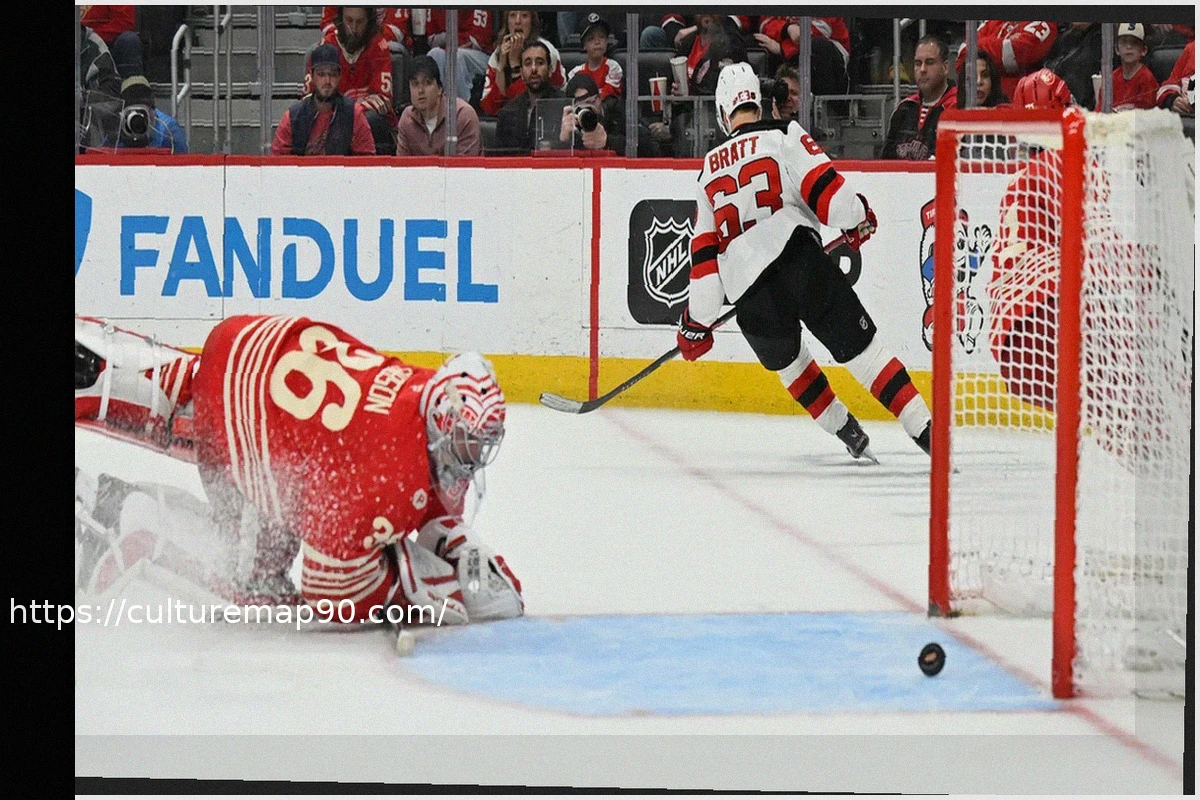
The Detroit Red Wings’ playoff aspirations are consistently being scrutinized, leading to discussions about whether the current NHL playoff format and its inherent rules, particularly tie-breakers, might be disadvantaging the team. As the regular season draws to a close, teams often find themselves in situations where precise standings and tie-breaking procedures become paramount for securing a playoff spot.
For the Red Wings, this has become a recurring theme. The structure of the NHL playoffs, which primarily emphasizes divisional alignment and conference seeding, can create scenarios where a team with a competitive record might be excluded due to tie-breaking criteria. These rules, designed to ensure fairness and a clear order in the standings, can sometimes lead to perceived injustices.
Specifically, tie-breaking mechanisms in the NHL often involve a series of criteria, starting with regulation wins and moving through other head-to-head results and goal differentials. Critics argue that this system can, at times, penalize teams that might have been more consistent over the entire 82-game schedule but fall short on a specific tie-breaker. This is a concern for Red Wings fans who feel their team’s overall performance is not being fully reflected in the final standings that determine playoff entry.
The debate extends beyond just the Red Wings, as similar discussions arise for other franchises on the bubble of playoff contention. However, given the Red Wings’ historical significance and passionate fanbase, their potential exclusion or difficult path to the playoffs often garners significant attention and fuels the conversation about the fairness and effectiveness of the NHL’s current playoff structure.