
The NHL playoffs are a highly anticipated event, marking the culmination of the regular season. While the exact start date for the 2026 playoffs is not yet set, it typically falls in mid-April. This allows for a brief period after the conclusion of the regular season for teams to prepare and for seeding to be finalized.
Актуальные турнирные таблицы
As the regular season progresses, the NHL standings are constantly updated, reflecting the performance of each team. These standings are crucial for determining playoff berths and seeding. Teams are ranked within their respective conferences (Eastern and Western) and divisions, with the top teams earning automatic spots in the postseason.
Прогноз на сетку плей-офф 2026
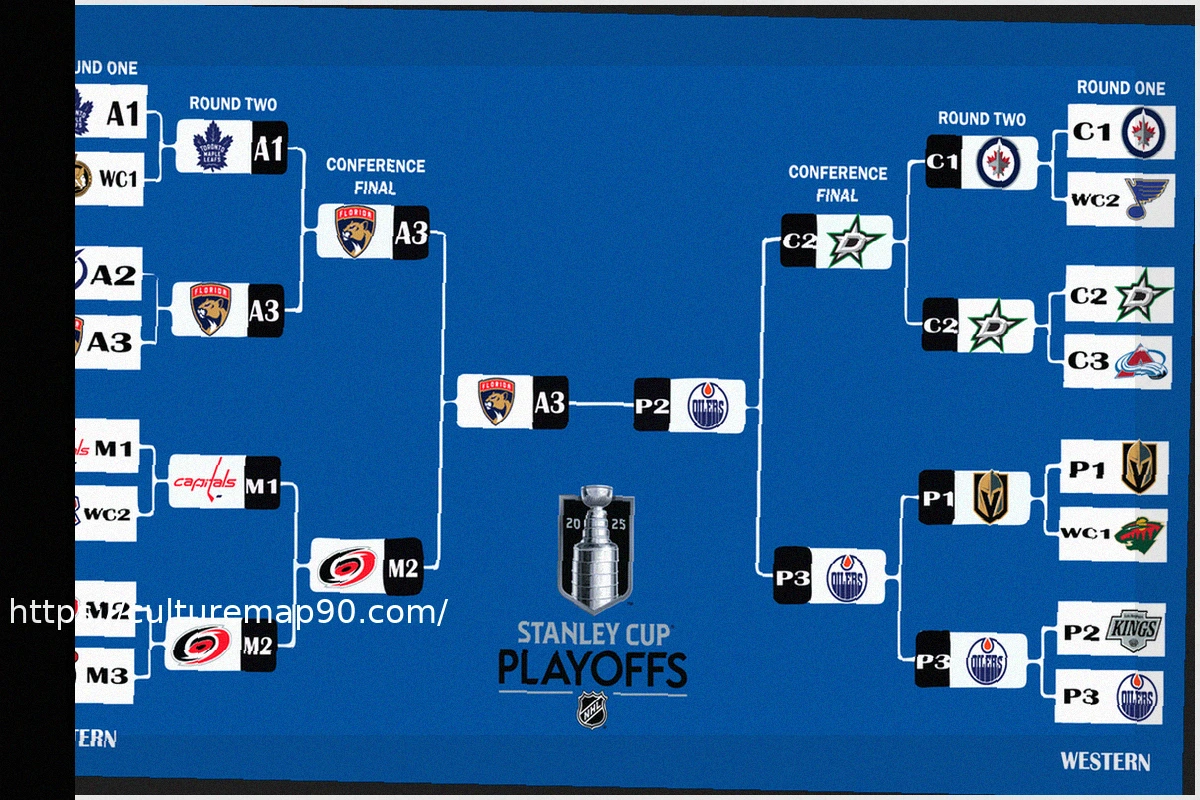
While predicting the exact playoff matchups far in advance is challenging, current standings offer insight into potential scenarios. The playoff structure in the NHL is well-defined: the top three teams from each division automatically qualify, along with two wild-card teams from each conference. These wild-card teams are the next two highest-ranked teams in each conference that did not finish in the top three of their division. The matchups are typically seeded as follows: the top seed in a division plays the wild-card team with the lower ranking, and the second and third seeds in the division play each other.
Расклад по тай-брейкерам
In situations where two or more teams finish with the same number of points, tiebreaker rules come into play to determine their final standings and playoff seeding. The NHL uses a multi-stage tiebreaker system. The primary tiebreakers generally include:
- Most regulation wins (RW)
- Most wins (W)
- Head-to-head record between tied teams
- Total points earned in games between tied teams
- Goal differential (goals for minus goals against)
The specific order and application of these tiebreakers can be complex and are outlined in the NHL’s official rulebook. Understanding these rules is vital for fans and analysts when analyzing the standings towards the end of the season.
English Translation:
When do NHL playoffs start? Latest standings, 2026 bracket, tiebreaker picture
The NHL playoffs are a highly anticipated event, marking the culmination of the regular season. While the exact start date for the 2026 playoffs is not yet set, it typically falls in mid-April. This allows for a brief period after the conclusion of the regular season for teams to prepare and for seeding to be finalized.
Latest Standings
As the regular season progresses, the NHL standings are constantly updated, reflecting the performance of each team. These standings are crucial for determining playoff berths and seeding. Teams are ranked within their respective conferences (Eastern and Western) and divisions, with the top teams earning automatic spots in the postseason.
2026 Playoff Bracket Picture
While predicting the exact playoff matchups far in advance is challenging, current standings offer insight into potential scenarios. The playoff structure in the NHL is well-defined: the top three teams from each division automatically qualify, along with two wild-card teams from each conference. These wild-card teams are the next two highest-ranked teams in each conference that did not finish in the top three of their division. The matchups are typically seeded as follows: the top seed in a division plays the wild-card team with the lower ranking, and the second and third seeds in the division play each other.
Tiebreaker Picture
In situations where two or more teams finish with the same number of points, tiebreaker rules come into play to determine their final standings and playoff seeding. The NHL uses a multi-stage tiebreaker system. The primary tiebreakers generally include:
- Most regulation wins (RW)
- Most wins (W)
- Head-to-head record between tied teams
- Total points earned in games between tied teams
- Goal differential (goals for minus goals against)
The specific order and application of these tiebreakers can be complex and are outlined in the NHL’s official rulebook. Understanding these rules is vital for fans and analysts when analyzing the standings towards the end of the season.