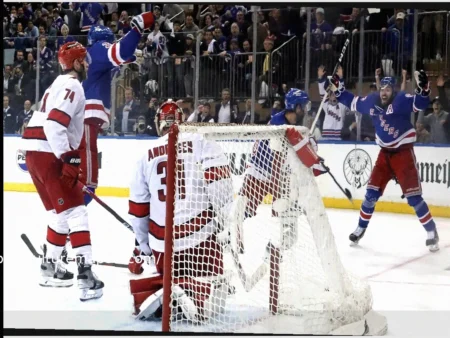

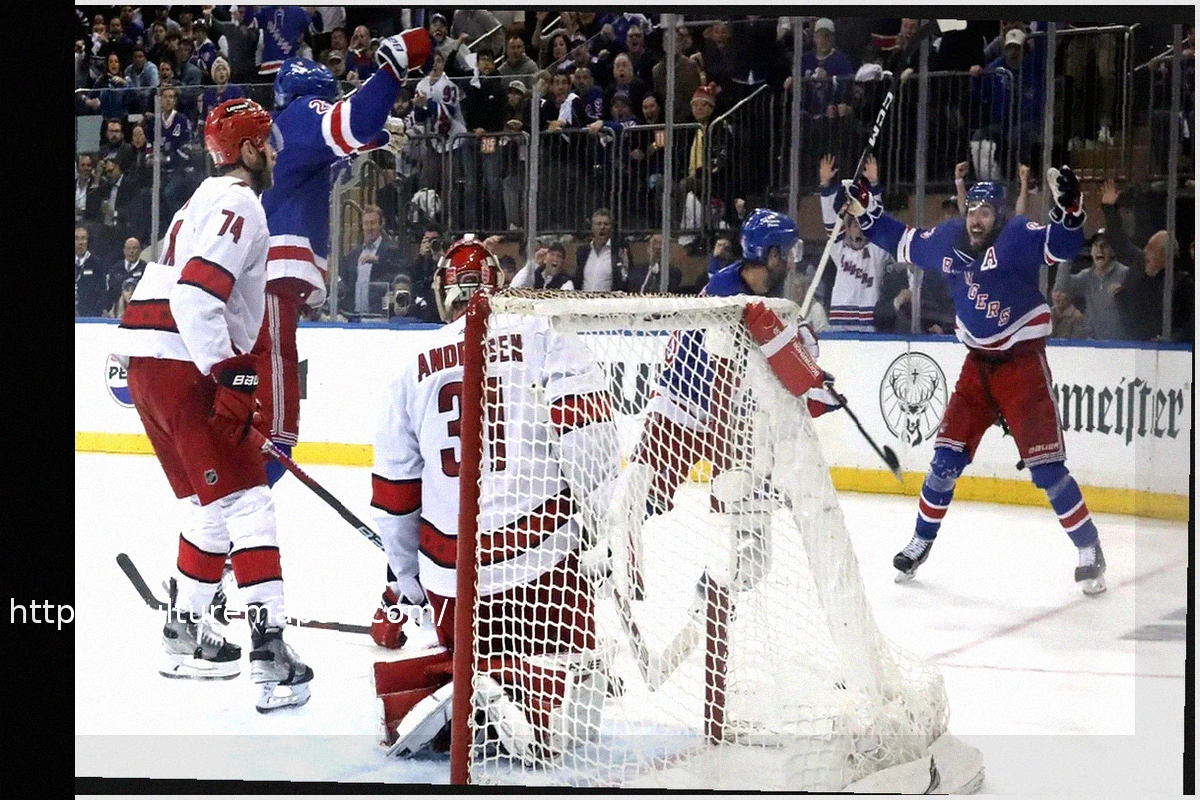
In the high-stakes environment of the NHL Stanley Cup playoffs, games that end in a tie after regulation play don’t result in a draw. Instead, they enter a dramatic sudden-death overtime period. This means that play continues indefinitely, with teams competing in full, 20-minute periods until one team manages to score. The moment a goal is netted, the game concludes, and that team is declared the winner.
Unlike regular-season overtime, which employs a shorter, three-on-three format designed to increase scoring and reduce the need for a shootout, playoff overtime reverts to a more traditional, five-on-five player setup. This emphasizes defensive structure and strategic play, mirroring the intensity of regular game time. The objective remains the same: score the game-winning goal.
The overtime periods in the Stanley Cup playoffs are played in their entirety, meaning if no team scores within the initial 20 minutes, the game will proceed to another full 20-minute overtime period. This can lead to incredibly long and grueling contests, pushing players to their physical and mental limits. There is no limit to the number of overtime periods that can be played; the game continues until a victor is determined. This format ensures that every playoff game culminates in a definitive outcome, adding to the legendary status and thrilling nature of the Stanley Cup playoffs.