German Football's Fan Culture: Who Owns It in the Age of Influencers?
For decades, German football fans have voiced concerns over the sport's increasing commercialization. Now, a new challenge arises: supporters themselves are becoming part of the product. The proliferation of influencers and content creators in German football grounds is meeting significant resistance from organized fan communities.
Karlsruher SC acknowledges the heightened attention on stadium vloggers and influencers, noting ongoing discussions with the Bundesliga and other clubs. This issue touches upon media rights, privacy, commercialization, and the fundamental question of who decides what constitutes acceptable stadium behavior.
At Dynamo Dresden, extensive dialogue between the club and fan representatives led to formal restrictions on commercial stadium vlogging. In Karlsruhe, the Supporters Karlsruhe fan umbrella organization has strongly rejected what it terms “Fanszenen-Influencer” and stadium vloggers.
Dresden has integrated concerns about commercial filming into its club policy, tasking the club and its security staff with enforcement. Meanwhile, Supporters Karlsruhe has defined what it considers culturally unacceptable and has reportedly removed at least one influencer from the stadium.
This distinction highlights the broader debate in Germany.
Karlsruhe Supporters Reject Commercialization of Their Culture
On September 9, Supporters Karlsruhe issued a strong statement. Their primary argument positioned stadium influencers within a wider critique of the creator economy.
“Social media and influencers have now made their way into practically every conceivable part of everyday life,” the organization stated on Instagram. “Whether fitness, cooking, travel or lifestyle, the formula is always the same: as long as the clicks are there, the reach increases and the bank account fills through crude advertising and sponsorship deals.”
“By now, however, content creators are also profiting from our fan culture for their own personal gain,” the statement continued. “Shirts are rated for the sake of it and fan chants are judged as though they were goods on a bargain table.”
The core complaint is straightforward. Active supporter groups dedicate substantial unpaid effort and resources to banners, choreographies, flags, songs, and displays. These elements become highly recognizable visuals of German football. Supporters were particularly critical of creators who then judged these performances.
“Others set themselves up as supposed experts and judge the performances of the terrace without having even the slightest idea how much work goes into organizing a choreography or how a supporters’ end actually functions,” the statement noted. “At the same time, these people adorn themselves with the values, romance and imagery of our terraces in order to give themselves an authentic image.”
“Those same values are trampled underfoot without hesitation as soon as the first commercial deal or additional reach is at stake,” the statement concluded. “Fan culture is not a lifestyle product, a photo opportunity or a tool for your self-promotion! We do not want fan-scene influencers or stadium vloggers — neither online and certainly not here with us in the Wildpark!”
The Karlsruhe dispute intensified when Supporters indicated their stance was more than just words.
One Alleged Ejection Shapes the Karlsruhe Debate
According to Supporters, at least one influencer was removed from the stadium by fan members.
“Things become completely bizarre when they are thrown out of the stadium by the fan scene and subsequently portray themselves on social media as the great victim,” the statement observed.
This claim raises clear questions of authority. BNN reported that KSC holds the Hausrecht, the right to control access and conduct within the Wildpark, making the club formally responsible for removing spectators. KSC did not directly comment on the alleged ejection when approached. Instead, the club stated it maintained close contact with fan representatives and was actively mediating between them and known influencers and stadium vloggers to find a “solution-oriented dialogue.”
KSC is not endorsing unrestricted commercial filming. Existing rules already prohibit unauthorized commercial use of image, audio, and video recordings within the Wildpark. The club also emphasized that commercial stadium recordings require permission and that current Bundesliga media regulations cover such content.
The Supporters’ position holds institutional weight. KSC recognizes Supporters Karlsruhe as the official fan interest organization and includes it in its three-part fan-work structure.
Supporters are entitled to express their vision for fan culture. They can request visitors respect active terrace norms. They can object when choreographies or supporter efforts are used for commercial content.
However, this does not grant the right to enforce those cultural preferences on everyone else in the ground. This boundary becomes clearer when looking east towards Dresden.
Dresden Spent Months Debating the Same Issue
Dynamo Dresden’s stance did not emerge suddenly. The issue was repeatedly discussed at the club’s regular Turnustreffen, structured meetings involving club officials, Ultras Dynamo, the Fanprojekt, supporter organizations, and other fan representatives.
By spring 2026, stadium vlogging was an established agenda item. Further discussions followed through Dynamo’s regular fan-dialogue sessions before the club revised its house rules over the summer. On August 12, Dynamo published an open letter with the clear headline: “Vloggen? Nicht bei Dynamo.”
However, Dresden’s actual policy is more nuanced than the slogan suggests. Dynamo did not ban supporters from taking personal photos or short videos. The club drew a line at commercial exploitation.
Filming match action and stadium visits with the intent of monetizing the content is prohibited under stadium rules. Dynamo explicitly cited the protection of its own media rights and those of broadcasting partners, along with the desire of spectators to avoid constant camera presence.
The club has since integrated this policy into its regular matchday communications. Supporters attending home matches are reminded that commercial vlogging is forbidden and instructed to contact security personnel if they witness breaches. Crucially, Dynamo also made another point clear: enforcement of stadium regulations belongs exclusively to the club and the deployed security service.
Independent action by third parties is not foreseen. Dynamo reinforced this distinction in its general season information, advising supporters to report violations to stewards and explicitly rejecting “self-justice.”
This provision is particularly relevant given the Karlsruhe dispute. Dresden’s organized fan scene helped create the policy; it does not hold independent enforcement authority.
This Is Not Merely a Karlsruhe-Dresden Issue
Dynamo may be the most prominent German professional club to publicly formalize its response, and Karlsruhe currently exhibits the most visible clash between organized supporters and creators. However, the forces driving this conflict are present throughout German football. KSC itself has stressed the growing prominence of stadium vlogs and influencers, and the club is exchanging views with the Bundesliga and other clubs.
The underlying legal and commercial framework is even broader. At DFB events, ticket conditions already differentiate between private, non-commercial recordings and commercial exploitation or public distribution. Commercial use requires prior written approval, and unauthorized distribution of match-related video or audio can be prohibited or removed.
Professional football’s media ecosystem is also increasingly structured around tightly controlled digital content. DFL media regulations specifically address club social-media production around Bundesliga matchdays, demonstrating the careful organization and rights management of material created within professional stadiums.
Concurrently, football authorities themselves increasingly work with creators. In the Frauen-Bundesliga, for example, DFB commercial regulations explicitly allow accredited influencers and content creators controlled access for specific promotional activities.
This apparent contradiction is significant. German football is not rejecting the creator economy; it is actively participating in it. The dispute centers on who controls that participation. An accredited creator invited by a club, league, or commercial partner operates within an agreed rights structure. A supporter independently monetizing footage from the stands may not be.
For organized fan communities, the issue extends beyond copyright or broadcasting rights. They are concerned that clubs and leagues might license commercial content featuring a culture that the institutions themselves did not originate. This is where the legal and cultural arguments diverge.
Fan Culture Deserves Protection, But Who Owns It?
A legitimate privacy argument exists here, extending beyond ultras wishing to control images of their choreography. Many ordinary spectators simply do not want to spend 90 minutes next to someone constantly narrating into a camera. Others may reasonably object to appearing repeatedly in footage uploaded to a large social-media audience, especially when the creator profits from it.
A legal analysis of Dynamo’s approach noted that commercial stadium videos can affect not only clubs’ media and exploitation rights but also the image and privacy rights of individual spectators. The analysis also highlighted an obvious enforcement challenge: while filming occurs, it may not be immediately clear if the footage is for a private memory or for later commercial publication.
This makes broad declarations far easier than practical enforcement. Most spectators carry smartphones. Many post photos or clips. Some maintain football accounts with a few hundred followers. Others have audiences in the hundreds of thousands. Some monetize videos directly through advertising. Others gain indirect commercial benefit from reach, sponsorships, or personal branding.
Still others may film vlogs as a non-commercial hobby. Where exactly does the supporter end and the influencer begin? The line cannot realistically be determined by whether someone holds a phone in the air. Dresden has therefore opted for a more workable distinction: private documentation remains permissible; commercial exploitation requires authorization.
Influencers Are Not Necessarily Outsiders
The strongest aspect of organized supporter criticism concerns appropriation. If a creator treats the terrace solely as a backdrop, monetizes choreography produced by others’ labor, and leaves with little interest in the community responsible for it, the active scene has a valid reason to object.
A weaker argument suggests that documenting football for an online audience is inherently incompatible with authentic support. Football itself clearly no longer operates on that premise.
Content creators are part of the Bundesliga’s broader media landscape. League and association campaigns utilize influencers to reach younger, more digitally engaged audiences. Clubs manage their own social-media departments and increasingly produce matchday material specifically for mobile platforms.
Therefore, a creator is not automatically an intruder simply because the medium is YouTube, TikTok, or Instagram. Some are supporters themselves. Some document away trips, stadium architecture, food, atmosphere, or rituals for people who might never experience them otherwise. Some viewers are disabled, live abroad, cannot obtain tickets, or simply want to see what a German football matchday looks like beyond television broadcasts.
Local reactions to the Karlsruhe controversy reflect this division. Some supporters have backed the effort to protect traditional terrace culture, while others question whether an organized fan body should dictate who qualifies as a legitimate supporter. This debate will almost certainly emerge elsewhere because the underlying tension exists universally.
Clubs market atmosphere. Leagues market atmosphere. Broadcasters market atmosphere. Supporters generate much of that atmosphere. Creators increasingly want to package it for their own audiences too. The unresolved question is how much of that culture anyone is entitled to commercialize.
Karlsruhe and Dresden Expose the Real Dividing Line
Dynamo’s approach potentially offers a clearer practical distinction. Private memories remain private. Commercial content requires permission. People sharing a terrace are expected to respect one another. And the club — rather than self-appointed enforcers in the stands — determines when its rules have been violated.
KSC’s existing regulations already limit commercial media use, while the club seeks to mediate between organized supporters and creators instead of simply adopting the Supporters’ declaration as stadium policy.
This is likely appropriate. Organized fan scenes possess genuine cultural authority because much of the atmosphere German football so eagerly markets would not exist without them.
The labor behind choreographies is real. The resentment generated when someone else monetizes that work is understandable. So is the desire of spectators to enjoy football without becoming unwilling extras in someone else’s content.
However, cultural authority should not automatically translate into jurisdiction over everyone else in the stadium. The creator economy presents German football with an awkward new form of commercialization. Traditionally, supporters could direct their anger upwards at broadcasters, sponsors, leagues, and clubs monetizing the sport. Now, individuals standing alongside them can also monetize the same environment.
Karlsruhe and Dresden happen to be where the argument has become particularly visible.
They are unlikely to be where it ends.
German fan culture should not become someone else’s free film set.
Neither should the terraces become territory where organized supporters alone decide who qualifies as a legitimate fan.
GGFN | Peter Weis
Fresh materials — Soccer News
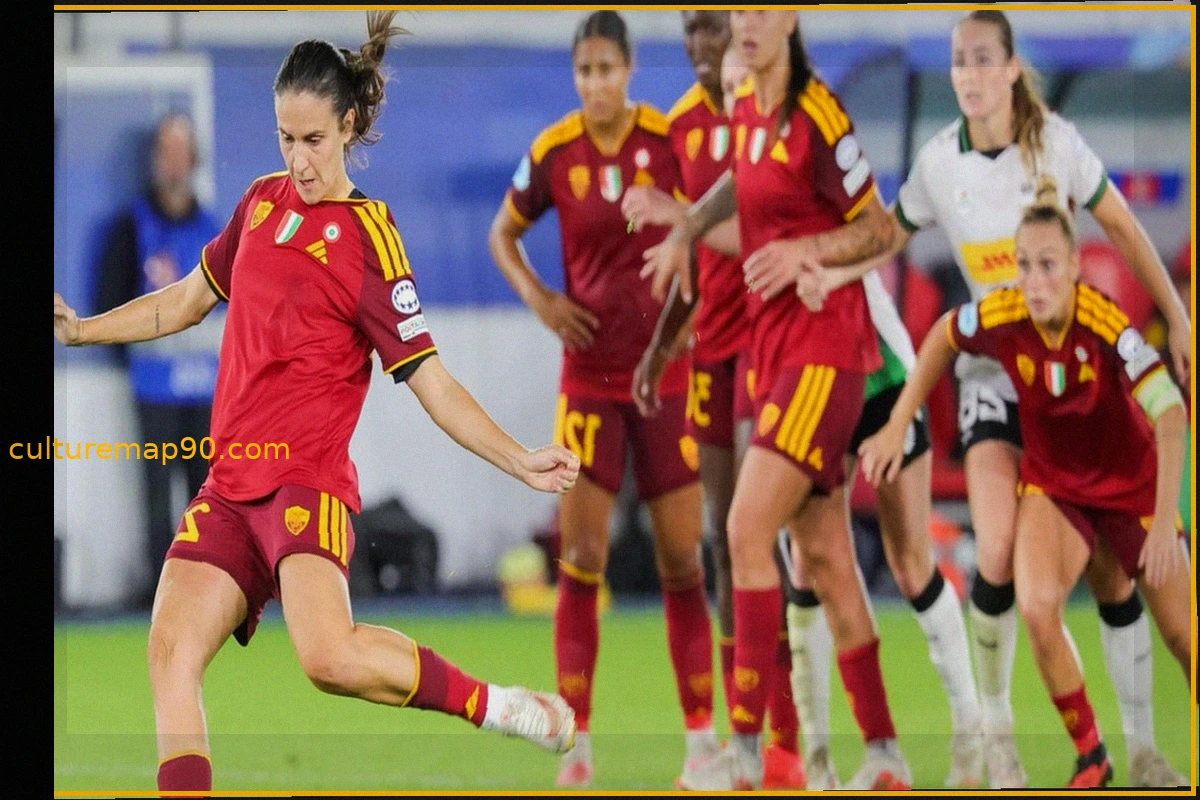
Roma Women's Champions League Debut Ends 0-0 with Late Penalty Miss
Roma Women kicked off their Women's Champions League campaign with a 0-0 draw against Leuven in Belgium. The match concluded with a dramatic late penalty miss by Pandini, who struck the post after a VAR review awarded the spot-kick in injury time. The Italian champions dominated the first
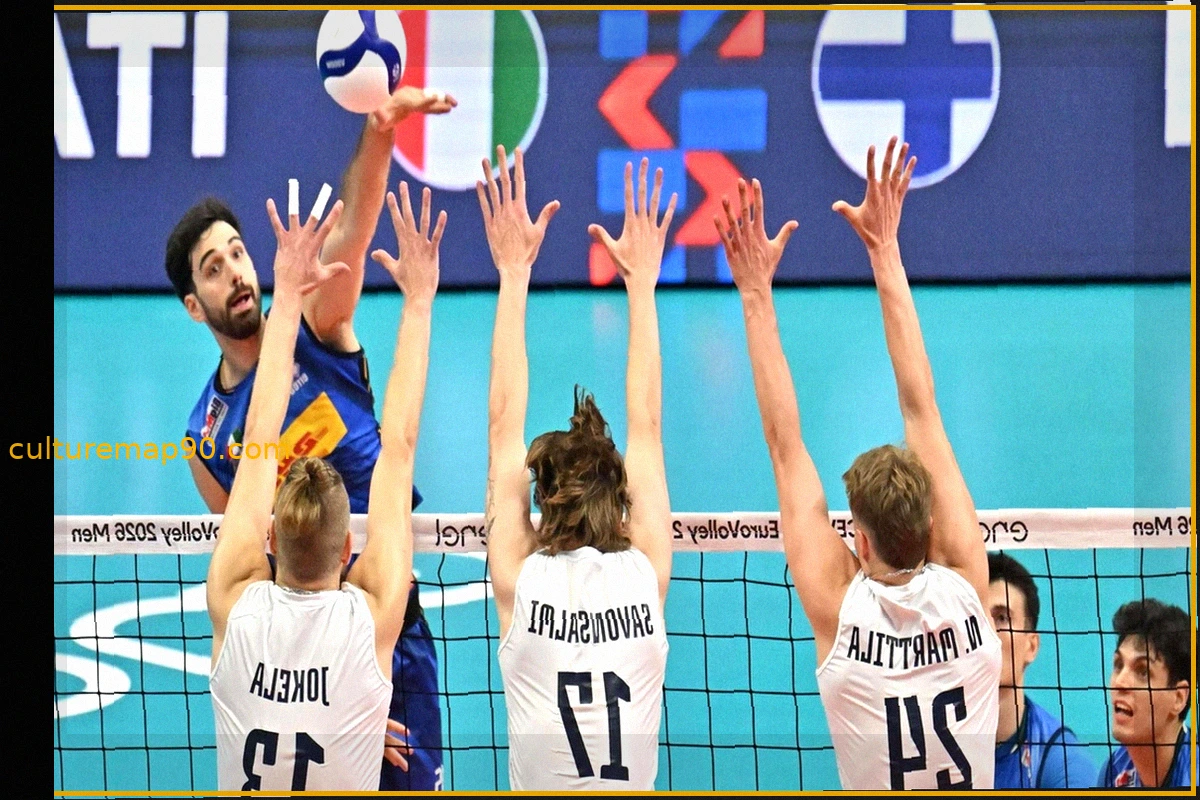
Finland Advances to Semifinals as Italy Bows Out in Thrilling Quarterfinal Match
Coach De Giorgi's starting lineup mirrored the one from the round of 16: Giannelli at setter, Romanò as opposite, Lavia and Bottolo on the wings, Sanguinetti and Mati as middle blockers, with Balaso as libero. Finland, coached by Kunnari, fielded Valimaa at setter, Jokela as opposite, Martill
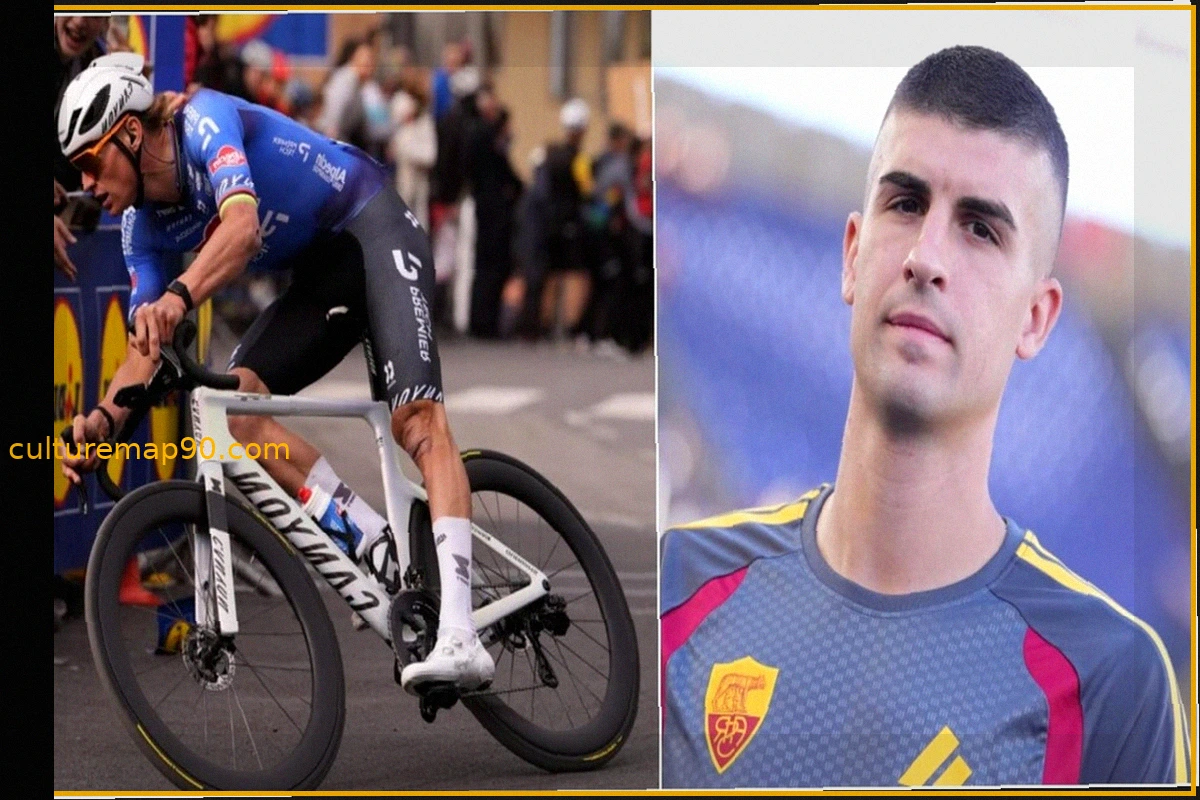
Mancini’s Yellow and Red Bike: A Tribute to Van der Poel
AS Roma defender Gianluca Mancini has acquired a distinctive bicycle, drawing inspiration from the Dutch cycling star Mathieu van der Poel. Van der Poel, a renowned competitor in major classic races, has secured two Milano-Sanremo titles and three Paris-Roubaix victories. Mancini shared
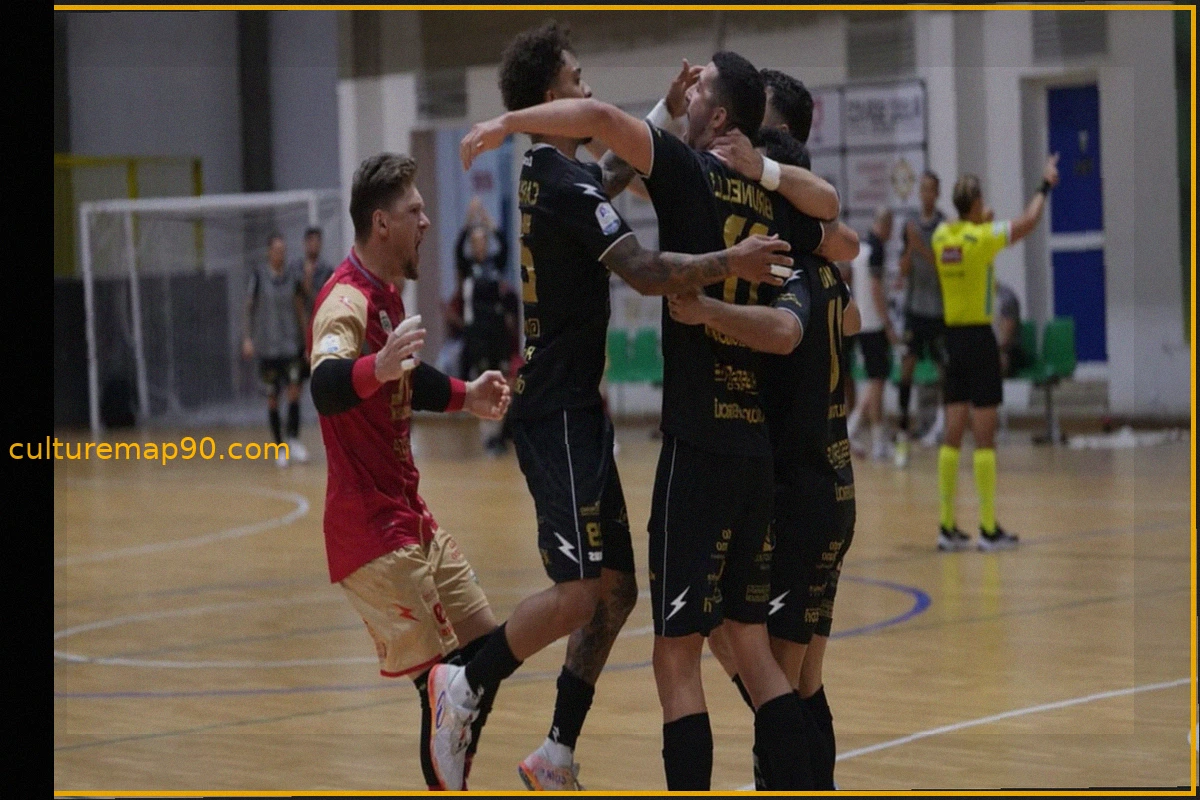
Futsal Serie A KINTO: Sala Consilina, Benevento, L84 Torino, and Meta Catania Lead with Perfect Records
Following the second round of Futsal Serie A KINTO, four teams stand with perfect records. This mid-week fixture, the first of the season, delivered surprises, thrilling play, and a flood of goals, with 50 scored across seven matches – averaging over seven goals per game. Big Match Decide
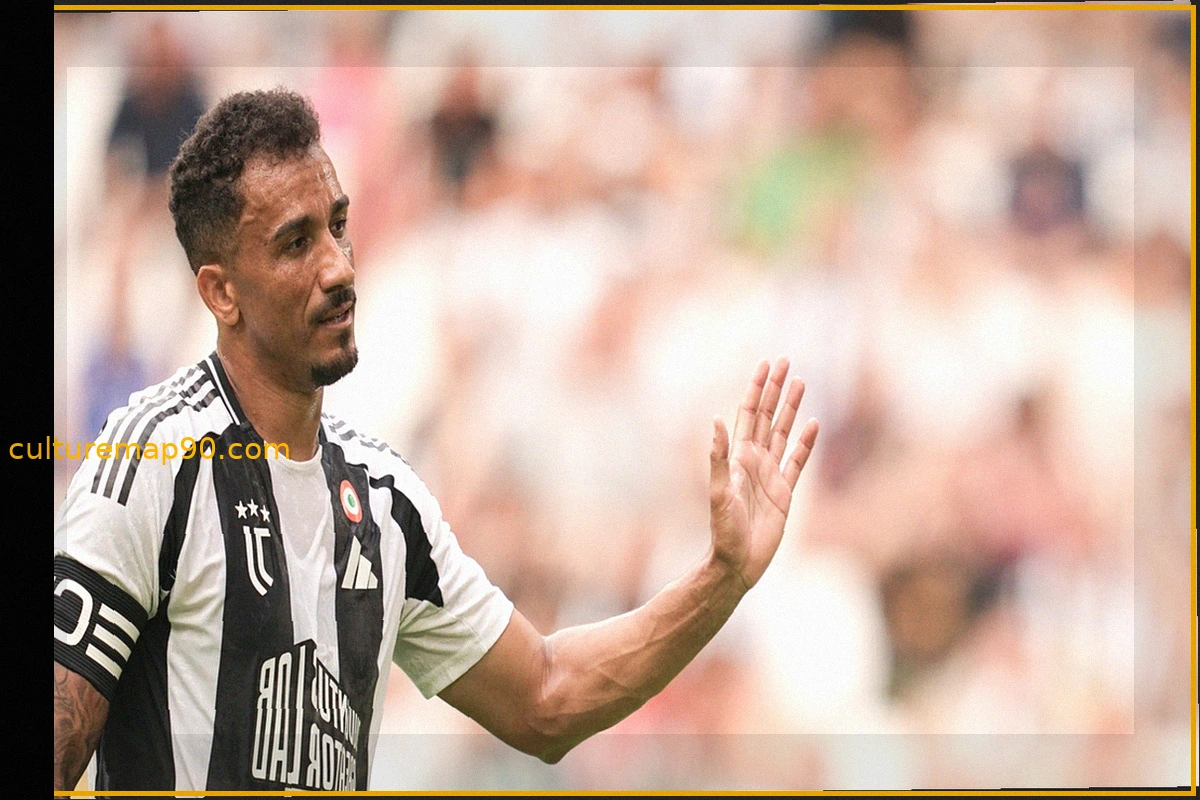
Danilo: Juve Departure Was Sudden, Driven by Internal Issues
Danilo revisited his departure from Juventus, an exit the Brazilian defender has described as bitter, particularly due to the circumstances. Speaking on GNT Papo de Segunda, the former Bianconero shared his prior expectations for his future: "Honestly, I thought I would build my career and finish
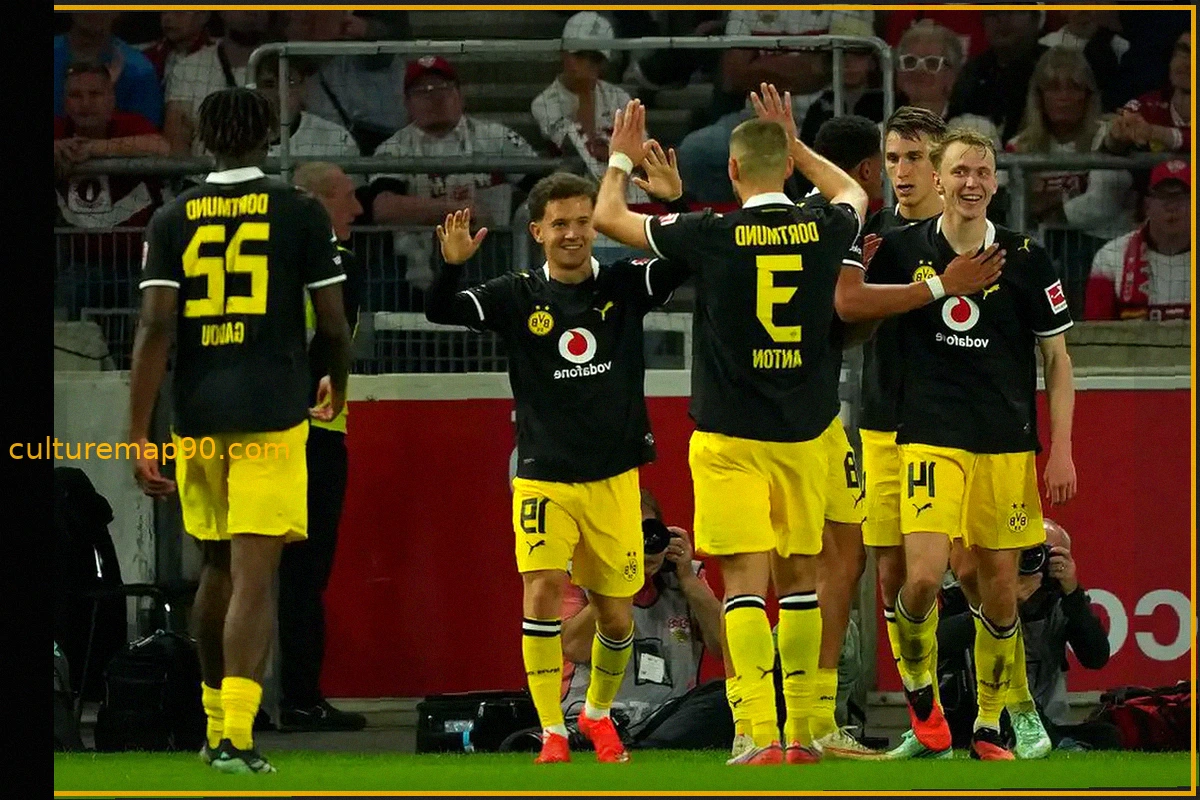
Five Standout Players from Bundesliga Matchday 4
Matchday 4 of the Bundesliga saw significant action, from Bayern Munich's 7-0 win over Union Berlin to Werder Bremen's late comeback against FC Augsburg. Borussia Dortmund continued their winning streak, Bayer Leverkusen delivered a strong performance against RB Leipzig, and SC Freiburg remaine