David Pocock's Harrowing Escape from Zimbabwe: Neighbors Murdered, Family Forced to Flee
Former Wallabies captain and now independent senator David Pocock has shared the traumatic experiences that led his family to abandon their farm in Zimbabwe and seek refuge in Australia.
At the age of 14, Pocock's family relocated to Brisbane following years of escalating political and social unrest in their home country. Speaking on the Straight Talk podcast with businessman Mark Bouris, Pocock recounted the loss of their farm, witnessing the murders of neighbors, and the chilling aftermath of a violent ambush where he saw bullet holes in a vehicle.
Pocock, 38, described a happy childhood spent close to nature, which began to unravel in the late 1990s. He explained that the Zimbabwean economy suffered a downturn as the government's popularity waned, leading to a failed constitutional referendum. This marked a shift towards a "survival mode" where "white people and especially white farmers" were blamed for the nation's struggles, prompting a large-scale land redistribution program.
His family, who never envisioned leaving Zimbabwe, saw their perspective change drastically as President Robert Mugabe's government intensified its campaign against white farmers. Pocock recalled the unsettling moment he heard the president publicly declare that "white people must leave this country." Fortunately, his mother's qualifications as a teacher allowed them to immigrate to Australia on a skilled visa, but the preceding years were marked by significant turmoil.
The situation worsened around the ages of 11 or 12, with violence spreading through farming communities. Pocock stated, "We lost our farm. Things actually got really violent." He attributed the escalation to politicians and the president "egging people on," leading to a loss of control.
He vividly remembered a fatal attack near their home: "We had a couple of neighbours murdered and I remember as a kid putting my fingers through the bullet holes in the family friend's ute where they had been ambushed." He recounted how a father and son were ambushed at night, resulting in the father's death while the son survived, highlighting the pervasive "fear and anxiety."
Pocock's parents, who had already experienced the Rhodesian Bush War, ultimately decided that the safety of their children was paramount. "Ultimately my folks just decided this isn't worth staying for," he said. "We want to seek opportunity for our kids. They had grown up through the Rhodesian Bush War and I think they just didn't want any more of it and were keen to get out."
Australia was chosen partly for its perceived familiar climate and culture. Upon arrival, Pocock was driven by gratitude and a determination to seize the opportunities offered by his new home. "So I arrived here just so grateful for the opportunity after those few years in Zimbabwe and just wanting to make the most of every opportunity I got in this new country that I called home and thought had given us this sort of ticket out," he expressed.
However, he acknowledged the profound impact of the upheaval on his teenage years. In an effort to regain a sense of control, he channeled his energy into academics and sports, which eventually bordered on an unhealthy obsession. "For me, it was throwing myself into sports and academics... I wanted to play for the Springboks and then after we moved to Australia, I wanted to play for the Wallabies." He explained that with so much out of his control, his focus narrowed to "eating and my training" to an extreme degree.
Adjusting to a new culture at Brisbane's Anglican Church Grammar School presented further challenges. He noted the contrast with his Zimbabwean school, where corporal punishment was still practiced, and initially misinterpreted the more relaxed demeanor of Australian students as disrespect. He also faced teasing for his accent, which he soon lost. Sport, however, became his sanctuary. "Sport was the 'in' and that was, I think, what saved me really," he stated. "You can have the funniest accent, you can look different. Once you're out on the sporting field, as long as you can contribute and have a crack, you're part of the team."
Pocock went on to represent Australia in 78 Test matches for the Wallabies, captaining the team and participating in three Rugby World Cups before transitioning into federal politics. He was elected as an independent senator for the ACT in 2022.
Fresh materials — Rugby News
Alfie Barbeary: Beyond the 'Captain Underpants' Persona
Alfie Barbeary, a notable figure in PREM Rugby, has joined Saracens, bringing his distinctive individuality to the London club. His move from Bath follows a period where his contract was not extended, a decision influenced by salary cap constraints. Barbeary describes his new boss, Brendan
Keith Wood Tapped for Interim Munster CEO Amidst Shake-up
Keith Wood is reportedly offered the interim Munster CEO position as further changes are anticipated following Ian Flanagan's decision to step down. Flanagan announced his departure at the end of the month. Wood, a former Munster and Ireland great, is understood to have been approached for
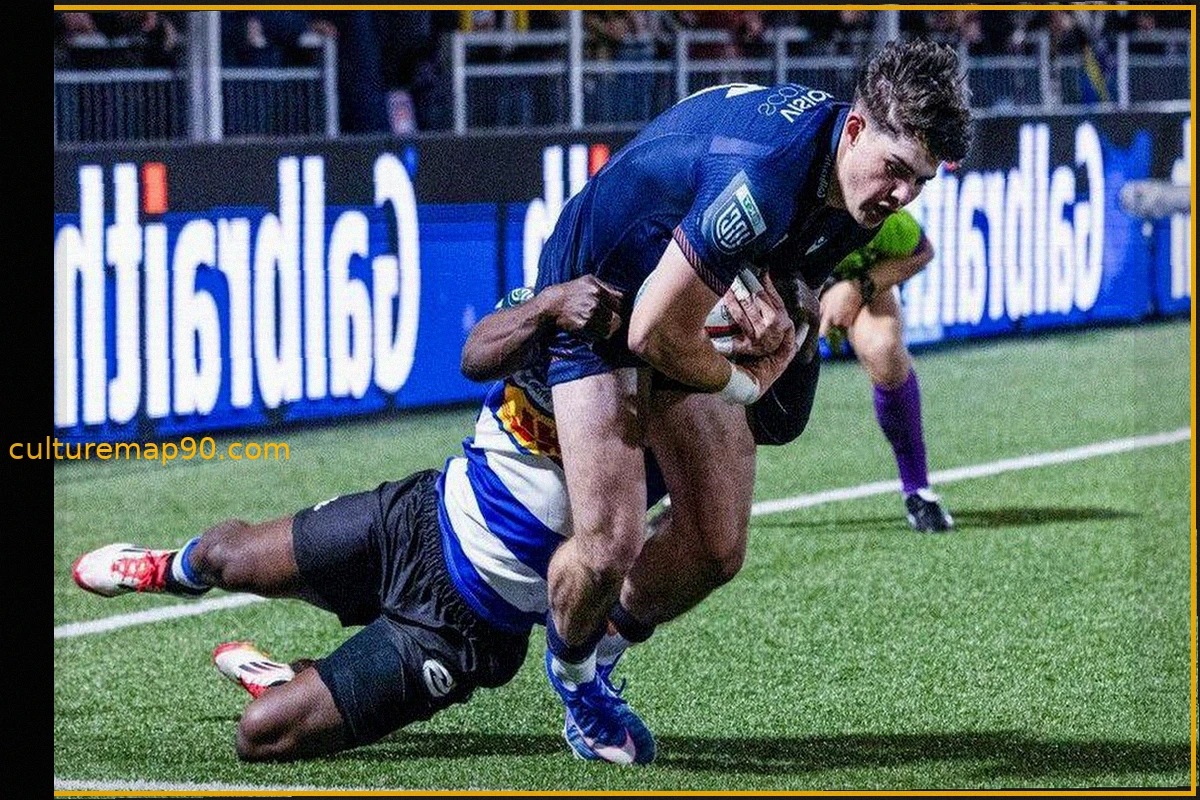
McHaffie Secures Victory for Edinburgh Against Stormers
Edinburgh, who led 3-0 at halftime, defeated Stormers 17-13 at Hive Stadium. Edinburgh's tries came from Hill and McHaffie, with two conversions and a penalty from Grayson. Stormers scored a try through Dayimani, converted by Ahmed, who also added two penalties. Edinburgh continued their
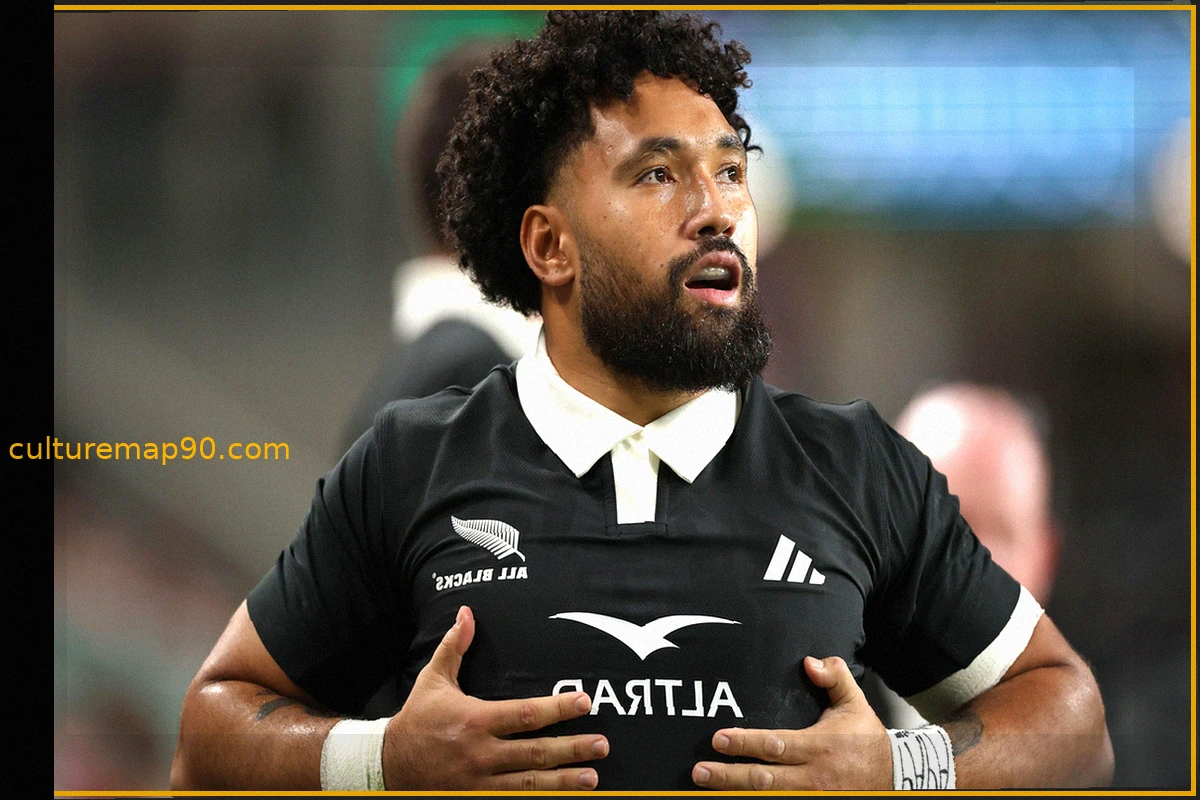
Newcastle Red Bulls Delay Fehi Fineanganofo's Arrival to Accommodate World Cup Dream
Fast-scoring All Blacks winger Fehi Fineanganofo has secured Newcastle Red Bulls' agreement to postpone his arrival in Tyneside. The move allows him to pursue his ambition of playing in the Rugby World Cup. Fineanganofo, 24, signed a two-year deal with Newcastle in January, set to begin t
Courtney Lawes' England Recall Hopes Dimmed by Sale's Opening Day Loss
Courtney Lawes' move back to English rugby didn't start as planned. Expectations were high for his return, but Sale's first game of the season at the CorpAcq Stadium ended in defeat to Bristol. Despite a significant summer recruitment drive led by Alex Sanderson, with Lawes as the marquee signi
Ulster's Late Fightback Falls Short Against Edinburgh
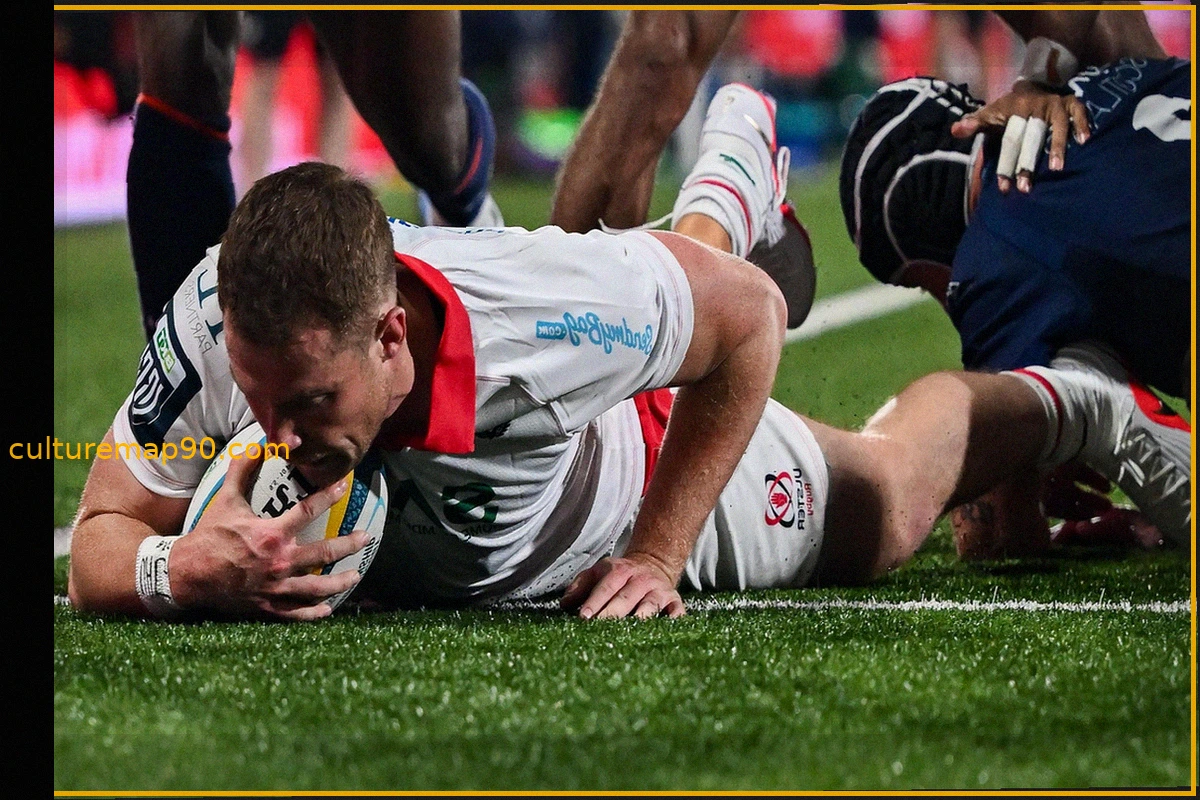
United Rugby Championship, Affidea Stadium Ulster (5) 29 Tries: Lowry, Ward, McCann, Knox. Cons: Murphy (3). Pens: Murphy. Edinburgh (20) 34 Tries: Douglas, Satala, Patterson, O'Conor. Cons: Grayson (4). Pens: Grayson (2). Ulster's second-half surge wasn't enough, as Edinbu